

Are You Liable If Your Tree Falls on a Neighbor’s Property?
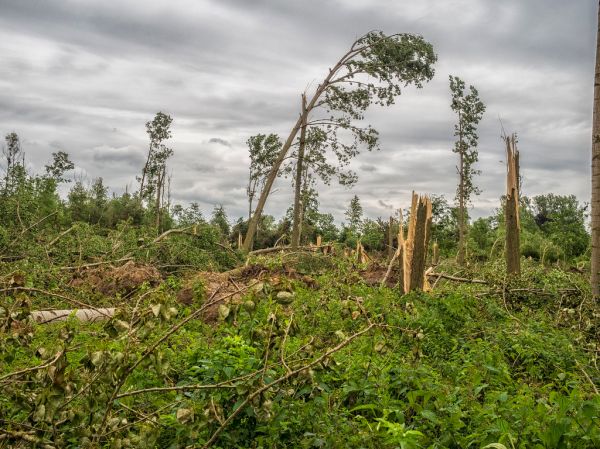
Your tree just came down on the neighbor’s property, and they’re looking at you to pay. Before you panic — or admit fault — understand how the law actually assigns blame.
If your healthy tree falls on a neighbor’s property during a storm, you’re generally not liable — their own insurance covers their damage under the “act of God” rule. You become liable only if the tree was dead, diseased, or obviously hazardous and you failed to address it after knowing about the danger.
This is the same negligence test applied from the other direction in our guide on who’s liable when a neighbor’s tree falls on a house — here we look at it from the tree owner’s side.
The “act of God” rule
Courts recognize that even sound, well-maintained trees can fail in hurricanes, microbursts, ice storms, and extreme winds. When that happens, the event — not your ownership — caused the damage, and the affected neighbor turns to their own insurer. You are not an insurer of your trees against nature.
When you ARE liable
Liability attaches when the tree’s failure was foreseeable and you did nothing. If the tree was visibly dead, had large dead limbs, was leaning, showed rot or fungus, or you’d received warnings (from the neighbor, an arborist, the city, or an HOA), a court can find you negligent for failing to maintain or remove it.
| Was the tree… | Likely outcome |
|---|---|
| Healthy, fell in a major storm | Not liable (act of God) |
| Visibly dead/diseased, you ignored it | Likely liable (negligence) |
| Reported to you in writing as hazardous | Strong liability exposure |
| Healthy but you were trimming it when it fell | Liable (your action) |
How to protect yourself
- Inspect your trees periodically, especially large ones near structures or property lines.
- Act on warnings — if anyone flags a tree as dangerous, get a professional risk assessment and address it.
- Keep records of inspections and maintenance; they prove you acted reasonably.
- Carry adequate liability coverage on your homeowners policy.
If your tree already fell
- Don’t admit fault on the spot — fault is a legal determination.
- Document the tree’s condition and the storm (weather reports help your act-of-God position).
- Notify your homeowners insurer; they handle liability claims against you.
- Let the neighbor file with their insurer first, as the rules usually direct.
Frequently asked questions
My healthy tree fell on my neighbor’s car. Do I pay?
Usually not — their comprehensive auto coverage applies for a storm-felled healthy tree. Negligence can change that.
The neighbor warned me the tree looked dead. Now it fell. Am I liable?
Quite possibly. Documented prior notice is strong evidence of foreseeability and negligence.
Should I admit it was my tree?
You can acknowledge ownership, but avoid accepting legal fault; let the insurers and the facts determine liability.
Does my insurance go up?
It can if a liability claim is paid. See whether a tree claim raises rates.
Disclaimer: General information, not legal or insurance advice. Negligence and liability standards vary by state. Consult your insurer or a licensed attorney for your situation.
Storm-felled trees frequently take the wires with them. For who pays for the line, the debris, and the hardware on your house, see a tree fell on a power line: who is responsible.
Storm losses often turn on whether the failure counts as an unavoidable natural event. See our detailed explanation of act of God tree damage and what it means for your claim.
