

How Much Can You Sue for Cutting Down a Tree?
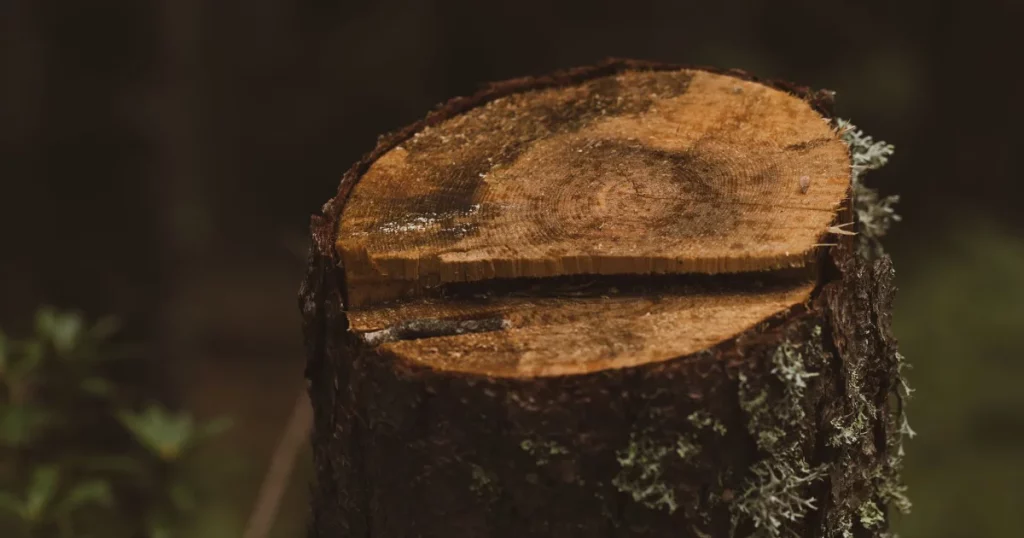
Discovering that a tree has been cut down without your permission — whether by a neighbor, a contractor, or a developer — is infuriating, and the financial loss can be far larger than people expect. Mature trees add real value to a property, and the law in most states gives owners powerful tools to recover damages. So how much can you actually sue for when someone cuts down your tree?
Your potential recovery hinges on the tree value, which comes from a professional tree appraisal.
The answer depends on how the loss is valued, whether the cutting was willful, and the rules of your state. This guide explains the main ways damages are calculated, how double and treble (triple) damages work, and what a realistic recovery looks like.
How Tree Damage Awards Are Calculated
Courts use a few established methods to put a dollar figure on a destroyed tree. The method that produces the fairest result usually wins.
Replacement Cost vs. Diminished Property Value
The two most common approaches are the cost to replace the tree and the drop in the property’s market value caused by its loss. For a small, replaceable tree, replacement cost makes sense. For a large, mature specimen that cannot realistically be replaced, courts often look at how much the property value fell.
Timber or Appraised Value
For valuable hardwoods or timber, the market value of the wood may be used. Large or unique ornamental trees are sometimes valued by a certified arborist using recognized appraisal formulas that account for species, size, condition, and location.
| Valuation method | Best suited for |
|---|---|
| Replacement cost | Small or young, replaceable trees |
| Diminished property value | Large, mature, irreplaceable trees |
| Timber/market value | Commercially valuable wood |
| Arborist appraisal | Unique or specimen ornamental trees |
Double and Treble Damages
This is where tree cases get expensive for the wrongdoer. Many states have specific statutes that multiply the damages for unauthorized cutting.
What Treble Damages Mean
“Treble damages” means the court can award up to three times the actual value of the loss. A handful of states allow double damages. These statutes exist specifically to deter timber trespass and punish people who cut trees that are not theirs.
Willful vs. Accidental Cutting
The multiplier usually hinges on intent. Willful, knowing, or reckless cutting tends to trigger the full double or treble penalty, while a genuine, reasonable mistake about a boundary may limit recovery to actual damages. Documentation of the wrongdoer’s knowledge — such as a marked boundary or a prior warning — strengthens a claim for enhanced damages. For the underlying rules, see our overview of cutting a neighbor’s trees without permission.
| Type of cutting | Typical damages exposure |
|---|---|
| Willful / knowing trespass | Up to double or treble actual value |
| Reckless or negligent | Actual value, sometimes enhanced |
| Honest, reasonable mistake | Often actual value only |
What You Can Recover
A claim can include more than the bare value of the wood.
The Value of the Tree
The core of any claim is the tree’s value under one of the methods above, multiplied by any applicable statutory penalty. This alone can reach into the tens of thousands of dollars for a large, mature tree.
Restoration and Loss of Enjoyment
Some states also allow recovery for the cost of restoring the property — replanting, regrading, or removing the stump — and, in certain cases, the loss of shade, privacy, or aesthetic enjoyment. These add-ons vary widely by state.
Factors That Affect the Payout
Two seemingly similar cases can settle for very different amounts.
Size, Species, and Maturity
A decades-old hardwood is worth far more than a young ornamental, both in replacement cost and in its effect on property value. Rare or slow-growing species command higher appraisals.
Evidence and Documentation
Photos of the tree before and after, a survey showing the boundary, and a written arborist appraisal are the backbone of a strong claim. The more clearly you can prove value and wrongdoing, the larger and faster the recovery tends to be.
How to Pursue a Claim
The right venue depends on how much you are seeking.
Small Claims vs. Civil Court
Smaller losses can go to small claims court, which is faster and does not require a lawyer, but caps the amount you can recover. Larger claims — especially those seeking treble damages on a valuable tree — usually belong in civil court with an attorney.
| Venue | Best for | Notes |
|---|---|---|
| Small claims | Lower-value losses | Fast, no attorney, dollar cap |
| Civil court | High-value or treble claims | Slower, attorney recommended |
Working With an Arborist and Attorney
A certified arborist provides the valuation that anchors your damages, while an attorney experienced in property or timber-trespass cases can identify which statutes apply in your state. For the broader picture of your options, see can you sue a neighbor for cutting your tree?, and check your state’s specific tree laws for local rules.
Realistic Expectations
It helps to go in with a grounded sense of the likely outcome.
Typical Award Ranges
Recoveries vary enormously with the tree and the state, but the table below gives a rough sense of scale before any statutory multiplier is applied.
| Tree | Rough base value | With treble damages |
|---|---|---|
| Young ornamental | $150 – $1,000 | up to ~$3,000 |
| Established shade tree | $1,000 – $10,000 | up to ~$30,000 |
| Mature specimen hardwood | $10,000 – $50,000+ | often six figures |
Time, Cost, and Settlement
Lawsuits take time and money, and many tree-cutting disputes settle before trial once a credible appraisal and a treble-damages statute are on the table. Weigh the likely recovery against attorney fees and the value of your time before filing.
Bottom line: you can often sue for the tree’s replacement cost or the drop in your property value, potentially doubled or tripled where a timber-trespass statute applies. Get a professional appraisal, document the wrongdoing, and consult a local attorney. This article is general information, not legal advice — tree-damage laws vary significantly from state to state.
Frequently Asked Questions
How much can you sue for cutting down a tree?
Often the tree’s replacement cost or the drop in your property value — potentially doubled or tripled where a state timber-trespass statute applies.
What are treble damages for tree cutting?
Many states let a court award up to three times the tree’s value for willful, unauthorized cutting, specifically to deter timber trespass.
How is a tree’s value determined in a lawsuit?
By replacement cost, diminished property value, timber/market value, or a certified arborist’s appraisal — whichever best fits the tree.
Should I sue in small claims or civil court?
Small claims suits suit lower-value losses (fast, no attorney, but capped); civil court fits high-value or treble-damages claims.
