

Tree Roots Lifting a Sidewalk: Who’s Responsible?
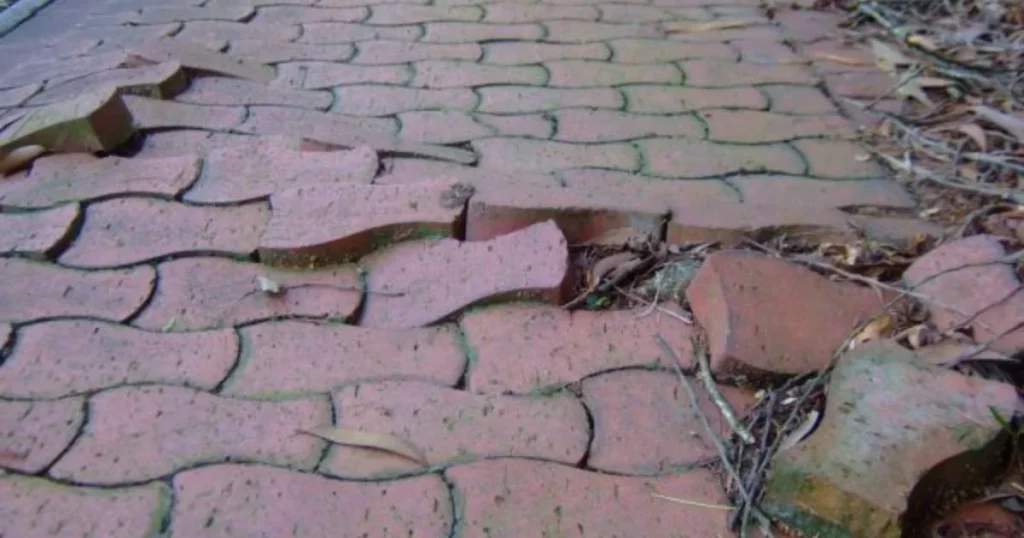
When tree roots lift or crack a sidewalk, responsibility usually falls on the owner of the property next to the sidewalk—often even when a city-owned tree caused the damage. Many municipalities make the adjacent homeowner responsible for repairing the public sidewalk and liable if someone trips and is injured. But the rules vary widely: some cities repair root-damaged sidewalks themselves, some run cost-sharing programs, and almost all of them prohibit you from cutting or removing a city tree’s roots without permission.
Because a parkway tree is usually public, it helps to understand who is responsible for city trees before assuming the repair is yours.
That combination creates a frustrating paradox—you can be on the hook for a hazard you’re not allowed to fix on your own. This guide explains who is typically responsible, when liability shifts, how to repair a root-damaged sidewalk safely, and how to prevent it from happening again. Because this is a legal and safety topic, treat it as general information and confirm the rules with your own city.
Who is responsible for a sidewalk lifted by tree roots?
Responsibility splits into two questions: who must repair the sidewalk, and who is liable if someone gets hurt. In many jurisdictions the answer to both is the abutting property owner, even when the tree belongs to the city.
The abutting-owner rule
A large number of cities place responsibility for maintaining and repairing the public sidewalk on the owner of the adjacent property. Under these rules, a homeowner can be required to fix a sidewalk that a city tree’s roots have lifted, and can be held liable if a pedestrian trips on the raised slab. The legal theory is that the abutting owner benefits from and is best positioned to maintain the walkway.
The city-tree paradox
Here’s the catch many homeowners run into: you typically cannot prune, cut, or remove a city-owned tree or its roots without a permit, yet you may still be responsible for the sidewalk damage those roots cause. Cities can shift maintenance duties to homeowners but generally cannot shift away their own ownership of the tree—so you must usually request city permission or a city crew to address the roots.
Sidewalk responsibility by scenario
The table shows common defaults. Your city’s ordinance controls, so verify locally.
| Situation | Who typically repairs | Who is liable for injuries |
|---|---|---|
| City tree roots lift a public sidewalk | Often the abutting owner | Often the abutting owner (varies) |
| City with a sidewalk repair program | The city (in whole or part) | Shared or city, per program |
| Your own tree roots lift the sidewalk | You | You |
| Roots lift a walkway entirely on private land | The property owner | The property owner |
| Owner-occupied 1–3 family home, city tree (some cities) | May qualify for a city program | May shift to the city |
When does liability shift?
Liability for a trip-and-fall often turns on notice—whether the responsible party knew or should have known about the hazard. If a city had prior written complaints about a raised slab from its own tree and failed to act, liability may shift toward the city. Likewise, a homeowner who ignores a known, dangerous lift can be found negligent. Documenting the hazard in writing (dated photos and a letter to the city) both protects you and creates the paper trail that can move responsibility. For trees that pose a broader hazard, a professional tree risk assessment can document the condition.
How to fix a sidewalk lifted by tree roots
Never cut large structural roots on a whim—removing the wrong roots can destabilize the tree and create a worse hazard. Match the repair to the severity, and get city approval before touching a city tree’s roots.
| Method | Best for | Notes |
|---|---|---|
| Grinding / shaving the raised concrete | Small lips (under ~1.5 in.) | Fast, low-cost; doesn’t harm the tree |
| Slab replacement with root pruning | Moderate damage | An arborist should prune; preserve major roots |
| Ramping or asphalt patch | Temporary safety fix | Buys time until full repair |
| Reroute the sidewalk around the tree | Valuable mature trees | Curves the path to save roots and tree |
| Root barrier + new slab | Preventing recurrence | Redirects future root growth downward |
For severe cases where the tree itself is failing or unsafe, removal may be the answer—see who handles cleanup and cost in our guide on who is responsible for fallen tree removal. For roots and branches that cross a boundary, review who is responsible for overhanging branches.
How to prevent root-and-sidewalk conflicts
- Choose the right tree for the space—small or “sidewalk-friendly,” deep-rooting species near paths.
- Plant with adequate setback from the walkway and give roots room.
- Install root barriers when planting near concrete to steer roots down and away.
- Water deeply so roots grow downward instead of staying near the surface.
- Inspect early—address small lips before they become trip hazards or major repairs.
The ISA’s consumer site has practical guidance on mature tree care, and your municipality’s public-works or urban-forestry page will list local sidewalk and tree rules.
Does insurance cover sidewalk root damage?
Usually not. Standard homeowners policies generally exclude gradual damage from tree roots, treating it as a maintenance issue rather than a sudden, accidental loss. Liability coverage may help if someone is injured on a walkway you’re responsible for, but the repair itself typically comes out of pocket. For how policies treat tree-related claims more broadly, see whether homeowners insurance covers tree damage.
Frequently asked questions
Who pays to fix a sidewalk damaged by a city tree’s roots?
In many cities, the abutting property owner pays, even for damage from a city tree. Some cities, however, repair root-damaged public sidewalks themselves or offer cost-sharing programs. Check your local ordinance.
Can I cut tree roots that are lifting my sidewalk?
Only carefully, and not at all on a city tree without permission. Cutting large structural roots can kill or destabilize the tree. An arborist should prune roots so the tree stays safe and healthy.
Am I liable if someone trips on a root-lifted sidewalk?
Often yes, if you’re the abutting owner responsible for that sidewalk—especially if you knew about the hazard and didn’t address it. Liability can shift to the city in some cases, particularly with prior notice of a city-tree defect.
How much does it cost to repair a root-damaged sidewalk?
It varies widely by method, region, and severity—from inexpensive grinding of a small lip to a larger bill for slab replacement with root pruning or a root barrier. Get local written estimates.
Does homeowners insurance cover tree-root sidewalk damage?
Generally no. Gradual root damage is usually excluded as a maintenance issue, though liability coverage may apply if a person is injured. Repairs typically aren’t covered.
How do I stop roots from lifting the sidewalk again?
Install a root barrier when replacing the slab, choose appropriate species, plant with setback, and water deeply to encourage downward roots. Early inspection prevents small lips from becoming big repairs.
For the wider question of liability when roots harm a neighbor’s property, see tree roots damaging a neighbor’s property.
Disclaimer: This article is general information, not legal advice. Sidewalk and tree responsibility rules vary significantly by city and state. Confirm your obligations with your municipality, and consult an attorney for a specific dispute or injury claim.
