

Tree Roots Damaging Neighbor’s Property: Who Pays?
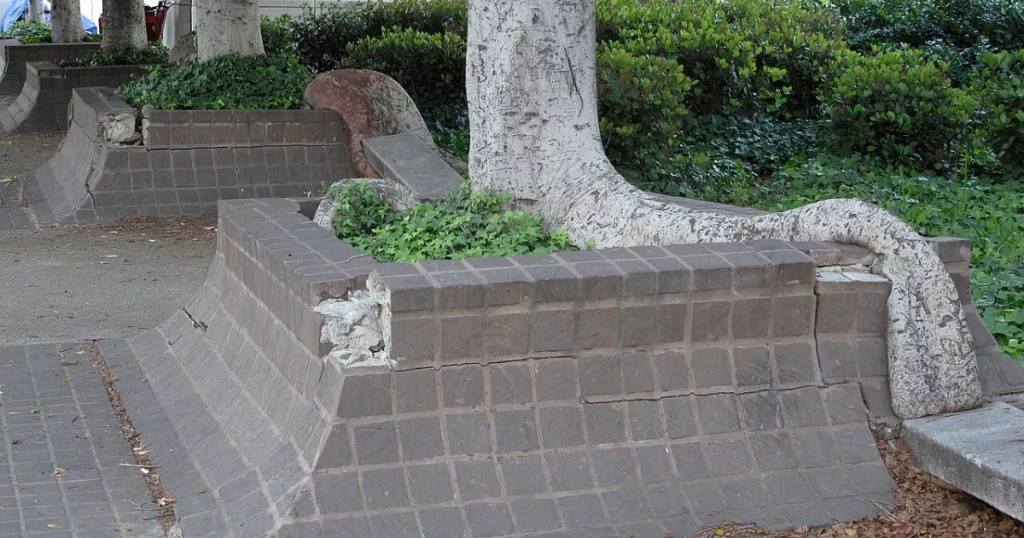
When tree roots damage a neighbor’s property, whether the tree’s owner is legally liable depends almost entirely on which state you live in. Under the traditional rule followed in many states, the owner is not responsible for roots that naturally grow across a boundary, and the neighbor’s only remedy is to cut the roots at the property line at their own cost. Under a more modern rule, the owner can be held responsible when roots cause real, provable harm to structures.
Either way, every property owner has the right to cut encroaching roots on their own side of the line. The hard questions are how far you can cut without killing the tree, what counts as real damage, and when you can actually recover repair costs. This guide walks through the law, the money, and the practical steps. General information only, not legal advice.
Are you liable if your tree’s roots damage a neighbor’s property?
It depends on your state’s standard. Under the traditional (Massachusetts) rule, a tree owner is generally not liable for damage caused by roots that grow naturally into a neighbor’s yard; the neighbor must handle it through self-help. Under the modern (Hawaii) rule, if the roots cause actual harm or pose an imminent danger to a structure, the owner can be required to pay for the damage and cut the roots back.
A separate negligence path exists in most states: if you knew, or reasonably should have known, that a specific tree was causing damage and you did nothing after being notified, you may be liable regardless of which rule your state follows. Knowledge plus inaction is what usually shifts responsibility onto the tree owner.
The two legal rules for root damage
Almost every root-damage dispute comes down to which of these standards your state applies.
| Rule | Who is responsible | What the neighbor can do |
|---|---|---|
| Massachusetts Rule (traditional) | Tree owner is not liable for natural root growth | Self-help only: cut roots at the line at your own expense |
| Hawaii Rule (modern) | Owner liable when roots cause actual or imminent harm | Demand repair and root removal; potentially recover costs |
| Negligence overlay (most states) | Owner liable if they knew of the harm and ignored notice | Notify in writing, then pursue a claim if harm continues |
Because states are split, identical facts can produce opposite outcomes across a state line. Our explainer on the Massachusetts Rule covers how the traditional standard limits recovery.
Whose tree is it? Ownership and boundary basics
Before you assign blame or a bill, establish who actually owns the tree, because responsibility follows ownership. In nearly every state, ownership is determined by where the trunk sits: if the base of the trunk is entirely on your neighbor’s land, it is their tree even if the roots and canopy spread well into your yard.
Trees whose trunks straddle the boundary are different. These “boundary trees” are generally treated as jointly owned by both neighbors, and neither owner may remove or seriously damage the tree without the other’s consent. That shared status also means shared responsibility, which can complicate who pays when a boundary tree’s roots cause damage. For the finer points, see who owns a tree on the property line and our overview of boundary tree law.
Your right to cut encroaching roots
How far you can cut
Every state recognizes your right to cut tree roots that cross onto your property, back to the boundary line, without the neighbor’s permission or a court order. This self-help remedy is the single most reliable tool homeowners have for encroaching roots. You do the work, on your side, at your own expense.
The risk of killing the tree
Self-help has a serious limit: if you cut roots so aggressively that you kill or destabilize the neighbor’s tree, you can be held liable for the tree’s value, and many states allow double or triple damages for injuring another’s tree. Major root cutting near a mature tree should be done by a certified arborist who can advise how much can be removed safely. Follow the tree-care guidance from the International Society of Arboriculture.
What counts as actual root damage?
Under the modern rule, liability usually turns on whether roots caused genuine, documentable harm to a structure, not mere encroachment or minor inconvenience. Common damage claims include:
| Where roots cause damage | Typical issue | Common remedy |
|---|---|---|
| Foundations and slabs | Cracking, heaving, or soil moisture changes | Root barrier, repair, arborist assessment |
| Sewer and water lines | Roots infiltrating joints, causing blockages | Line cleaning, lining, or replacement |
| Driveways and sidewalks | Lifting, cracking, trip hazards | Grinding, replacement, root pruning |
| Retaining walls and patios | Displacement or cracking | Repair plus a root barrier |
Documenting the damage with photos, dates, and a professional opinion is essential to any claim. For sidewalk-specific issues, see tree roots lifting a sidewalk.
Signs tree roots are damaging your property
Catching root damage early makes it cheaper to fix and easier to prove. Watch for these common warning signs, especially near large or mature trees close to a boundary:
- New cracks in a foundation, slab, driveway, or interior walls that appear or widen over a season.
- Lifting or uneven sidewalks, pavers, or patio sections near the tree.
- Slow or backing-up drains and repeated sewer clogs, which can signal root intrusion in the line.
- Surface roots spreading toward or under structures.
- Doors or windows that suddenly stick, hinting at foundation movement.
If you spot these, document them with dated photos and get a professional assessment before the problem, and any potential claim, grows.
When the tree owner can be held responsible
Even in traditional-rule states, a tree owner can become liable when the situation moves from “natural growth” to “known, neglected hazard.” The key ingredients are usually:
- Actual damage to a structure, not just roots crossing the line.
- Knowledge: the owner knew or should have known the tree was causing harm.
- Notice: the affected neighbor told the owner, ideally in writing, and gave a reasonable chance to fix it.
- Inaction: the owner failed to take reasonable steps afterward.
This is why written notice matters so much. It converts a “natural encroachment” story into a documented, ignored problem. If informal resolution fails, our guide on suing a neighbor for tree damage explains the next steps.
Who pays for repairs and root removal?
Payment tracks liability. In a self-help situation, the affected neighbor pays for cutting roots on their own land and for repairing their own structures. Where the tree owner is liable under the modern rule or for negligence, they can be responsible for repair costs and for cutting the offending roots.
Homeowners insurance is often less help than people expect: policies commonly exclude gradual damage from roots because it is considered a maintenance issue rather than a sudden, accidental event. Coverage varies widely by policy, so read yours and ask your insurer before assuming. Because insurance and liability both hinge on specifics, this is an area where a local attorney’s read on your facts is worth the call.
How to prevent tree root damage
Preventing root damage is far cheaper than litigating it. A few measures reduce the risk on both sides of the fence:
- Install a root barrier. A physical barrier sunk along the property line or around a structure redirects roots downward and away from foundations, pipes, and hardscape.
- Mind planting distance. Large species planted too close to a boundary or building are the usual culprits; giving new trees room prevents future conflict.
- Choose the right species. Slow-growing, less aggressive-rooted trees are safer near structures than fast, water-seeking species.
- Maintain sewer lines. Older clay or jointed pipes invite root intrusion; lining or replacing them removes the entry point.
- Act early. Small roots are easy to manage; a decade of ignored growth is not.
If you are planning a new tree near a shared line, our guidance on trimming rights in neighbor tree trimming laws is a useful companion, since roots and branches raise the same boundary questions.
How to handle neighbor tree root damage
- Identify the source. Confirm the roots are actually from the neighbor’s tree and where the boundary sits.
- Document the damage. Take dated photos and get a written assessment from an arborist or contractor.
- Talk to your neighbor. Most cases resolve with a calm conversation and a shared plan.
- Give written notice. If talking fails, send a dated letter describing the damage and requesting action.
- Use self-help carefully. Cut roots only on your side, and hire an arborist for anything near a mature trunk.
- Consider a root barrier. A properly installed barrier can prevent future encroachment.
- Escalate if needed. If damage continues after notice, consult a local attorney about your options.
Frequently asked questions
Can I sue my neighbor if their tree roots damage my property?
Possibly. In modern-rule states you may recover when roots cause actual, documented harm. In traditional-rule states, recovery is harder unless the owner knew of the damage and ignored written notice. It depends on your state.
Can I cut my neighbor’s tree roots on my property?
Yes. You can cut roots that cross onto your land back to the property line without permission, but you cannot cut so much that you kill or destabilize the tree, or you may owe the owner damages.
Am I liable if my tree’s roots crack my neighbor’s driveway?
It depends on your state and whether you were on notice. Under the traditional rule you often are not liable for natural growth; under the modern rule or a negligence theory, a known, ignored problem can make you responsible.
Does homeowners insurance cover tree root damage?
Usually not. Root damage is typically gradual and treated as a maintenance issue, which most policies exclude. Coverage varies, so review your policy and confirm with your insurer.
Who pays to remove roots damaging a sewer line?
The property owner whose line is affected generally pays for cleaning or repair on their side, unless the tree owner is liable under the modern rule or for negligence after notice.
Disclaimer: This article provides general information about tree root damage and neighbor property law and is not legal advice. Laws and insurance coverage vary by state, municipality, and policy. Consult a licensed attorney or your insurer about your specific situation.
