

Do You Have to Disclose a Tree Dispute When Selling?
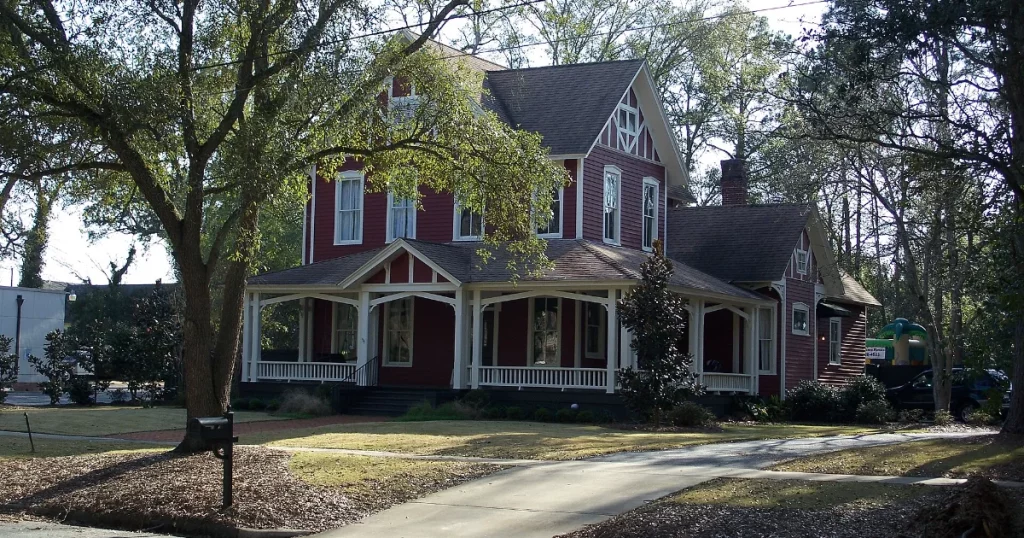
In most states, yes — you generally must disclose a known tree dispute with a neighbor when you sell your home, because disclosure laws reach any known condition that materially affects the property’s value, desirability, or use. An ongoing boundary-tree argument, a dispute over a hazardous tree, unresolved encroachment, or active litigation all clear that bar in most jurisdictions.
Sellers resist this instinctively, and the instinct is understandable: disclosing a conflict feels like advertising a defect. But the arithmetic is lopsided. Disclosure costs you some negotiating leverage. Non-disclosure exposes you to a post-closing lawsuit for rescission, repair costs, diminished value, and in some states punitive damages and attorney’s fees — long after you have spent the proceeds. This guide covers what actually has to be disclosed, how the standards differ by state, how to word it, and how to reduce the damage to your sale.
The disclosure standard, plainly stated
Nearly every state requires residential sellers to complete a disclosure form or otherwise reveal known material facts. The wording varies, but the test converges on one idea: would a reasonable buyer consider this important in deciding whether to buy, or what to pay?
Two features of that test matter enormously:
- It covers what you know. Disclosure duties are about actual knowledge, not about defects you never discovered. You are not obligated to investigate — but you cannot un-know something.
- It is not limited to physical defects. Legal clouds, boundary uncertainty, disputes, pending litigation, and unrecorded agreements are routinely material even though nothing is visibly broken.
Caveat emptor states still exist
A minority of states retain a stronger “buyer beware” tradition and impose narrower statutory disclosure duties. Even there, however, two rules almost always survive: you may not actively misrepresent a fact, and you may not conceal a known defect (for example, by hiding it or answering a direct question falsely). If a buyer asks “any issues with the neighbors?” and you say no while a boundary suit is pending, you have a fraud problem in every state.
Which tree situations are material
Not every branch complaint is a disclosable dispute. The line falls roughly where a disagreement becomes documented, legal, financial, or ongoing.
| Situation | Disclose? | Why |
|---|---|---|
| Pending or threatened litigation over a tree | Yes — always | Directly affects title, value, and the buyer’s future costs |
| Written demand letters exchanged with a neighbor | Yes | Documented, ongoing conflict the buyer inherits |
| Unresolved boundary uncertainty about a tree’s location | Yes | Potential title and encroachment issue |
| A known dead or hazardous tree on or adjoining the property | Yes | Safety and imminent cost; you are already on notice |
| Known tree-root damage to foundation, sewer, driveway, or walls | Yes | Classic material physical defect |
| A written or handshake agreement with a neighbor on shared trimming or costs | Yes | Buyer needs to know what they are or are not bound by |
| An HOA violation notice or municipal citation about a tree | Yes | Transfers with the property |
| A protected, heritage, or ordinance-regulated tree on the lot | Yes | Restricts the buyer’s future use of the property |
| A prior insurance claim for tree damage | Usually yes | Appears in loss-history databases and affects the buyer’s insurability |
| Roots or branches encroaching from a neighbor’s tree, unresolved | Usually yes | Buyer inherits the maintenance burden and the conflict |
| One resolved conversation years ago, no recurrence | Usually no | Not ongoing and unlikely to be material — but err toward disclosure |
| Normal leaf and debris fall | No | Ordinary; not a defect |
The genuinely grey areas
Personality conflicts with no tree consequence, long-settled disagreements, and one-off complaints sit in a fuzzy zone. The practical rule most real estate attorneys give: if you have hesitated over whether to disclose it, you have already established that a reasonable person might consider it important. Disclose it, in neutral language.
What non-disclosure actually costs
Sellers underestimate this because they assume the risk ends at closing. It does not — most states allow buyers years to sue after discovery.
| Buyer remedy | What it means for you |
|---|---|
| Rescission | The sale is unwound; you may have to take the house back |
| Compensatory damages | Repair costs, removal costs, litigation the buyer inherited |
| Diminution in value | The gap between what they paid and what the property was worth with the defect |
| Punitive damages | Available in many states where concealment was intentional |
| Statutory penalties and fees | Some disclosure statutes shift attorney’s fees to the seller |
| Claims against your agent | Agents who knew and stayed silent share exposure, and their carriers will pursue you |
The trigger for all of this is usually mundane: the new owner meets the neighbor, the neighbor mentions the long-running argument, and the buyer calls a lawyer. Tree disputes are unusually likely to surface this way because the other party to the dispute lives fifty feet away and has every incentive to raise it.
How to disclose without torpedoing your sale
Disclosure is a drafting exercise. Done well, it is a paragraph that transfers the risk to the buyer with their eyes open. Done badly, it either fails to protect you or frightens buyers unnecessarily.
Drafting principles
- Be factual and neutral. Describe events and dates. Do not characterize your neighbor, and do not editorialize about who was right.
- Be specific. Identify the tree, the nature of the issue, and the current status. Vague disclosure (“some past neighbor issues”) often fails to satisfy the duty because it does not convey the actual risk.
- State the current status plainly. Resolved, ongoing, or dormant — and say so.
- Attach the paper. Letters, arborist reports, HOA notices, settlement agreements, surveys. Documents inoculate you far better than summaries.
- Do not offer legal conclusions. Say what happened, not “we were within our rights.”
- Disclose early. Before or with the offer, not the day before closing. Early disclosure gets priced in; late disclosure kills deals and invites suspicion.
A workable example
“A mature oak stands near the northern property line. In 2024 the adjoining owner at [address] and the seller disagreed about whether the trunk sits on the boundary and about responsibility for trimming branches overhanging that property. A survey was obtained on [date] and is attached. The parties exchanged correspondence, also attached. No litigation was filed and no claim is currently pending. The seller makes no representation as to the tree’s structural condition and recommends the buyer obtain an independent arborist assessment.”
Note what that does: it states facts, provides documents, disclaims expertise, and points the buyer toward independent verification. That last move is valuable — a buyer who inspects and proceeds has far less to complain about afterward.
Reducing the impact before you list
You will get a better price by resolving what you can than by hiding it. Consider, in rough order of value:
- Settle it in writing. A short signed agreement with the neighbor about the boundary or about maintenance converts an open-ended risk into a known, bounded one. A resolved dispute with paper is a far easier disclosure than an active one.
- Get a survey. Boundary-tree uncertainty is the most damaging version of this problem because it clouds title. A current survey often eliminates it. See who owns a tree on the property line.
- Remove or remediate a hazard tree. A dead tree you already know about is a liability you are carrying anyway. Removing it before listing costs less than the price concession a buyer will demand.
- Get an arborist report. If the tree is healthy, a professional assessment turns a scary unknown into a documented non-issue.
- Price it in. Disclose early and adjust; buyers accept known, quantified issues far more readily than surprises.
If you are the buyer
Read the disclosure form for what it omits as much as what it says. Then do three things: walk the boundary and photograph every large tree near a property line; ask directly, in writing, whether there are or have been any disputes, agreements, or claims involving trees or boundaries; and order a survey if any significant tree appears to sit near the line. If a tree looks compromised, spend the few hundred dollars on a tree risk assessment during your inspection period — it is cheaper than discovering the problem later, and it puts you on notice of a duty you will inherit the day you close. Also check whether any tree on the lot is a protected or heritage tree, which can sharply restrict what you may do with your own yard.
Frequently asked questions
Do I have to disclose a dispute that was fully resolved years ago?
Often not, if it is genuinely closed and left no continuing effect. But if it produced a written agreement, a recorded document, an insurance claim, or physical damage, disclose it — those things follow the property.
Does a neighbor’s tree overhanging my lot need to be disclosed?
Disclose it if it is causing damage, is in poor condition, or has been the subject of a dispute. Ordinary overhang without conflict is usually not material.
What if the dispute is with the HOA rather than a neighbor?
Disclose it. HOA violations, fines, and architectural-committee disputes transfer with the property and are almost always material.
Can my agent tell me not to disclose?
No agent should, and one who does is creating liability for both of you. Agents who know of a material defect generally have their own duty to disclose it.
How long can a buyer sue me after closing?
It varies widely. Fraud and misrepresentation claims commonly run two to six years, and many states run the clock from discovery rather than from closing — which can extend exposure well beyond the sale.
Does an “as-is” sale eliminate my disclosure duty?
Generally no. “As-is” allocates responsibility for the condition of the property; it does not license concealment or misrepresentation of known material facts. In most states statutory disclosure duties survive an as-is clause.
What if I disclose and the buyer walks?
Then you learned the deal’s real price early rather than facing a lawsuit later. In practice most buyers proceed once an issue is documented, quantified, and priced — uncertainty is what scares them, not the tree.
Do I need to disclose a past insurance claim for tree damage?
Usually yes. Claims appear in industry loss-history reports that the buyer’s insurer will pull anyway, and prior claims can affect the buyer’s premiums and insurability.
Disclaimer: This article is general information about real estate and tree law, not legal advice. Seller disclosure requirements, statutes of limitation, and the treatment of as-is sales differ substantially from state to state. Consult a licensed real estate attorney in your state before completing a disclosure form or deciding what to omit.
