

Protected and Heritage Trees: Rules Before You Cut
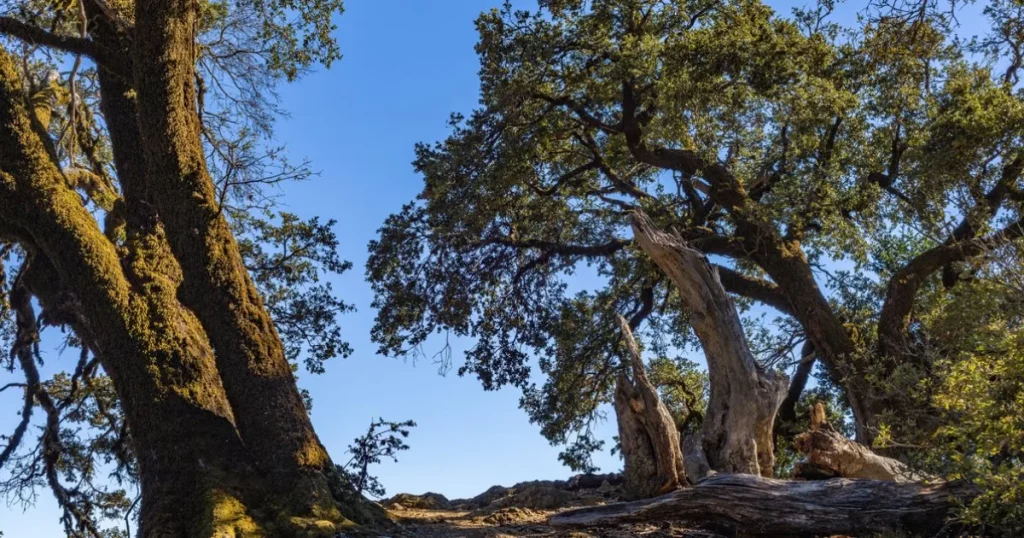
Some trees are legally off-limits to cut — even on your own land. Cities, counties, and states protect certain “heritage,” “landmark,” or native trees, and removing one without permission can bring fines reaching into the thousands, plus orders to replant. Before any saw touches a large or notable tree, it pays to confirm it is not protected. For examples of the kinds of trees that tend to be protected, see our guide to protected tree species.
Here is what makes a tree protected, where the rules come from, the penalties for getting it wrong, and how to check.
What Counts as a Protected Tree
Heritage and Landmark Designations
Many communities formally designate specific trees — by age, size, species, or historic significance — as heritage or landmark trees that cannot be removed without special approval.
Species and Size Triggers
Even without a name on a list, ordinances often protect native species (commonly oaks) or any tree above a set trunk diameter measured at breast height.
Where Protection Comes From
City and County Ordinances
Most protection is local, through tree-preservation ordinances administered by planning or urban-forestry departments.
State Rules and Special Zones
Extra protection applies in historic districts, conservation and coastal zones, near waterways, and sometimes under state law or HOA covenants.
| Protected when… | Authority |
|---|---|
| Listed heritage/landmark tree | City/county ordinance |
| Native species (e.g., oak) | Local ordinance |
| Trunk over a set diameter | Local ordinance |
| Historic/conservation zone | Special overlay rules |
Penalties for Removing a Protected Tree
Unauthorized removal can carry fines from hundreds to several thousand dollars per tree — sometimes calculated per inch of trunk diameter — plus mandatory replacement planting or payment into a mitigation fund. If the tree belonged to someone else, you can also owe its value, potentially doubled or tripled; see how tree-damage awards work and cutting a neighbor’s tree without permission.
How to Check and Get Approval
Look It Up First
Identify the species, measure the trunk, and contact your city or county tree authority to confirm protection status before doing anything.
Permit or Exemption
If protected, apply for a removal permit; approval is most likely for dead, diseased, or hazardous trees, often with a replacement-planting condition.
If a Protected Tree Is Dangerous
Most ordinances allow removal of a genuinely hazardous protected tree, but you usually must document the danger (often with an arborist’s report) and get authorization first. If the dangerous tree is a neighbor’s, see handling a neighbor’s dangerous tree.
Before you cut, confirm whether you need a permit to remove a tree on your own property.
Related reading: a specific legal protection beyond general heritage rules — see our guide to the tree preservation order and how it works.
Frequently Asked Questions
What is a protected or heritage tree?
A tree designated by local rules — by species, size, age, or significance — that cannot be removed without special approval, even on private property.
What happens if I cut down a protected tree?
You can face fines from hundreds to thousands of dollars per tree, plus replacement-planting requirements or mitigation payments.
How do I know if my tree is protected?
Check your city or county tree-preservation ordinance and confirm with the planning or urban-forestry department before cutting.
This article is general information, not legal advice; tree-protection rules vary by jurisdiction.
