

Does Homeowners Insurance Cover a Tree Falling on Your House?
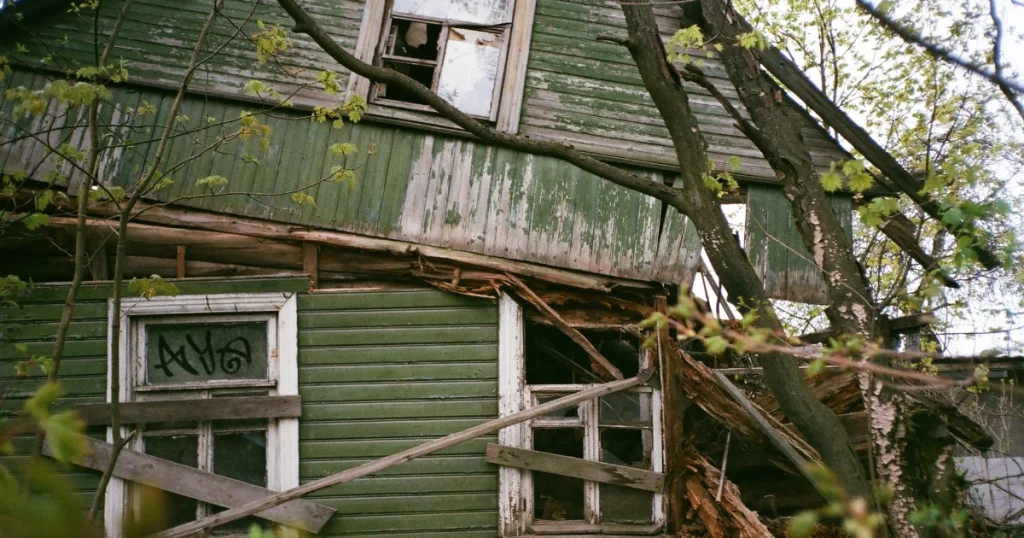
When a tree crashes through a roof or flattens a fence, the first question most homeowners ask is simple: who pays for this? The good news is that homeowners insurance often does cover tree damage — but coverage depends heavily on why the tree fell and what it damaged. Understanding the rules before disaster strikes can save you thousands of dollars and a great deal of frustration.
This guide breaks down when a standard homeowners policy covers a fallen tree, whose insurance pays when a neighbor’s tree is involved, what the policy actually reimburses, and how to file a claim that gets approved.
When Homeowners Insurance Covers a Fallen Tree
A typical homeowners policy covers fallen-tree damage when the tree comes down because of a “covered peril” and damages a covered structure. The cause of the fall is the deciding factor.
Covered Perils
Most standard policies cover tree damage caused by sudden, accidental events such as windstorms, hail, lightning, and the weight of ice or snow. If a healthy tree is blown onto your house during a storm, the resulting damage to the structure is normally covered, subject to your deductible.
What Is Usually Not Covered
Coverage typically does not apply when the tree fell due to neglect, rot, or disease that the owner should have addressed, or when a tree simply falls in the yard without hitting an insured structure. Earthquakes and floods are also excluded from standard policies and require separate coverage.
| Cause of fall | Typically covered? |
|---|---|
| Windstorm, hail, lightning | Yes (structure damage) |
| Weight of ice or snow | Usually yes |
| Rot, disease, or known neglect | Often denied |
| Tree falls in yard, hits nothing | Usually no removal coverage |
| Flood or earthquake | No (needs separate policy) |
Whose Insurance Pays — Yours or Your Neighbor’s?
This is the question that causes the most confusion between neighbors, and the answer is often counterintuitive.
It Usually Follows Where the Tree Lands
As a general rule, the insurance policy that pays is the one belonging to the owner of the property that was damaged — not the owner of the tree. If your neighbor’s tree falls on your house during a storm, you typically file with your insurer, who then repairs your home. The same is true in reverse. It feels unfair, but it is how most claims proceed when no negligence is involved.
When Negligence Shifts Responsibility
The exception is negligence. If the tree was visibly dead, diseased, or dangerous and the owner was warned but did nothing, the owner (and their insurer) can be held liable. That is why documentation matters: if you have concerns about a neighbor’s tree, putting them in writing creates a record. Our guide on a neighbor’s tree damaging your roof covers this scenario in detail.
| Scenario | Whose policy usually pays |
|---|---|
| Healthy tree falls in a storm | Owner of the damaged property |
| Known dead/dangerous tree falls | Tree owner may be liable |
| Tree falls on a shared fence | Often split between neighbors |
What the Policy Actually Pays For
A covered claim generally addresses two separate things: repairing the damage and removing the tree.
Damage to the Structure
Repairs to your home, garage, fence, or other covered structures are paid under your dwelling or other-structures coverage, up to your policy limits and minus your deductible. Damage to vehicles falls under auto insurance (comprehensive coverage), not homeowners.
Tree Removal and Debris Limits
Removal of the fallen tree is usually covered only when it has struck a covered structure, and even then it is often capped. A common limit is in the range of $500 to $1,000 per tree or per occurrence. If the tree fell harmlessly in the yard, removal is usually your own expense. For the cost side of removal, our overview of tree-related property damage is a useful companion.
| Item | Typical coverage |
|---|---|
| Repair to home/garage | Dwelling limit, minus deductible |
| Tree removal after hitting structure | Often capped ~$500–$1,000 |
| Tree removal, no structure hit | Usually not covered |
| Damage to a car | Auto comprehensive coverage |
Filing a Claim After a Tree Falls
A calm, well-documented claim is far more likely to be approved quickly.
Steps to Take Immediately
Ensure everyone is safe and avoid downed power lines. Make temporary repairs to prevent further damage (such as tarping a roof) and keep the receipts — reasonable emergency repairs are usually reimbursable. Do not dispose of the tree or debris until your insurer has had a chance to inspect.
Documentation and the Adjuster
Photograph everything from multiple angles before cleanup, list damaged items, and contact your insurer promptly. An adjuster will assess the damage and the likely cause. If the cause is disputed — for instance, the insurer suspects pre-existing rot — an independent arborist’s report can support your position.
Costs, Deductibles, and Limits
Even a covered claim is not “free,” so it is worth doing the math before filing.
When It Is Not Worth Filing
If the total damage is close to or below your deductible, filing may cost you more in future premium increases than you recover. For minor damage, paying out of pocket is often the smarter move. Save claims for losses that clearly exceed your deductible.
Caps and Sub-Limits
Pay attention to sub-limits, especially the debris-removal cap and any limits on detached structures like fences and sheds. These are easy to overlook and are a common source of surprise at claim time.
Reducing Risk and Avoiding Disputes
The cheapest claim is the one you never have to file.
Maintenance and Prevention
Inspect large trees periodically for dead limbs, leaning, and signs of rot, and address problems before a storm does. Routine maintenance not only prevents damage but also protects you from a negligence finding if your tree ever falls on someone else’s property.
Talking to Your Neighbor
If a neighbor’s tree worries you, raise it early and in writing. A documented, good-faith request can be the difference between “their insurer pays” and “you pay” if the tree later falls. When a dispute looks likely, see our guidance on your legal options in a tree dispute.
In short: homeowners insurance usually covers tree damage from storms and other sudden events when a structure is hit, you generally file with the insurer of the damaged property, and removal is covered only in limited amounts. Document the condition of your trees, act quickly after a fall, and weigh the claim against your deductible before filing. This article is general information, not legal or insurance advice — check your own policy and consult a professional for your situation.
Wondering about vehicles instead of buildings? Learn who is liable when a tree falls on a car.
Frequently Asked Questions
Does homeowners insurance cover a tree falling on my house?
Usually yes when a covered peril such as a storm or high wind brings the tree down and it damages a structure, subject to your deductible.
Whose insurance pays if a neighbor’s tree falls on my house?
Generally the policy of the owner of the damaged property pays, unless the tree was known to be dead or dangerous — then the tree’s owner may be liable.
Does insurance pay to remove the fallen tree?
Typically only when the tree hits a covered structure, and removal is usually capped around $500 to $1,000.
Should I file a claim for tree damage?
Only if the damage clearly exceeds your deductible; for minor damage, paying out of pocket may cost less than a premium increase.
If an adjuster has told you the loss was unavoidable, read what act of God tree damage actually means for a claim before accepting a denial.
