

How to File a Tree Damage Insurance Claim (Step-by-Step)
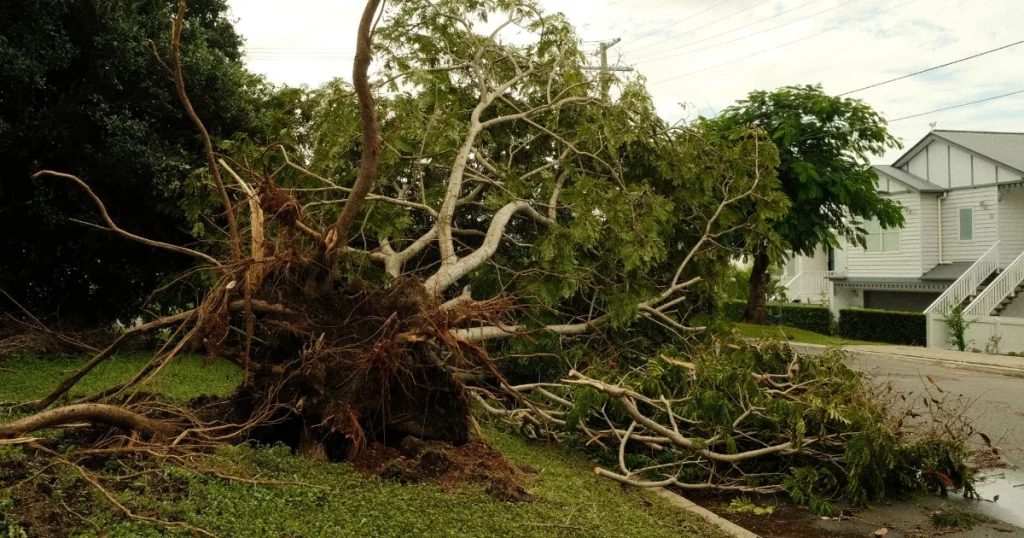
When a tree damages your home, fence, or roof, a homeowners insurance claim can cover the bulk of the cost — if you file it correctly. A clean, well-documented claim is approved faster and paid more fully. The short version: make the scene safe, prevent further damage, document everything before cleanup, file promptly, and back up the cause with photos or an arborist’s report.
Here is the full step-by-step, plus what the claim will and will not pay.
When Tree Damage Is Covered
Covered Perils
Standard homeowners policies cover tree damage caused by sudden, accidental events — wind, storms, hail, lightning, and the weight of ice or snow — when the tree strikes a covered structure. See our overview of whether insurance covers a tree falling on your house.
Common Exclusions
Claims are often denied when the tree fell from rot, disease, or neglect the owner should have addressed, or when it fell in the yard without hitting a structure. Floods and earthquakes need separate coverage.
| Cause | Typically covered? |
|---|---|
| Storm, wind, hail, lightning | Yes |
| Ice/snow weight | Usually yes |
| Rot, disease, neglect | Often denied |
| No structure hit | Usually no removal coverage |
Step 1: Make It Safe and Mitigate
Safety First
Keep everyone away from downed lines and unstable limbs. Most policies require you to prevent further damage — for example, tarping an open roof.
Keep Mitigation Receipts
Reasonable emergency repairs are usually reimbursable, so save every receipt. Do not make permanent repairs or discard the tree until the insurer inspects.
Step 2: Document Everything
Photos and Inventory
Photograph the damage and the tree from multiple angles before cleanup, and list damaged property. For damage to driveways, walls, or outbuildings, our guide on tree-related property damage is a useful reference.
Establish the Cause
Note the date and weather. If the insurer might argue the tree was already rotten, an independent arborist’s report supporting a storm cause protects your claim.
Step 3: File and Work With the Adjuster
File Promptly
Contact your insurer quickly; policies have notice deadlines. Provide your documentation and a clear summary of what happened.
The Adjuster Visit
An adjuster assesses the damage and cause. Be present, share your photos and any arborist report, and get repair estimates of your own to compare.
What the Claim Pays
Repairs to the structure come from your dwelling or other-structures coverage, minus the deductible. Removal of the fallen tree is usually covered only when it hit a structure, and is commonly capped around $500–$1,000.
| Item | Coverage |
|---|---|
| Home/garage repair | Dwelling limit minus deductible |
| Tree removal (hit structure) | Often capped ~$500–$1,000 |
| Removal, no structure hit | Usually not covered |
Should You File? Deductible Math
If the damage is near or below your deductible, paying out of pocket may beat a premium increase. Reserve claims for losses that clearly exceed it. If a neighbor’s clearly hazardous tree caused the damage, liability may shift — see a neighbor’s tree damaging your roof.
Frequently Asked Questions
How do I file a tree damage insurance claim?
Make the area safe, prevent further damage, photograph everything before cleanup, file promptly with your insurer, and support the cause with an arborist’s report if needed.
How long do I have to file?
Policies require prompt notice; file within days. Check your policy for the exact deadline.
Will my claim cover tree removal?
Usually only if the tree struck a covered structure, and removal is typically capped around $500–$1,000.
This article is general information, not legal or insurance advice; coverage varies by policy and state.
