

Who Is Responsible for Cutting Overhanging Tree Branches?
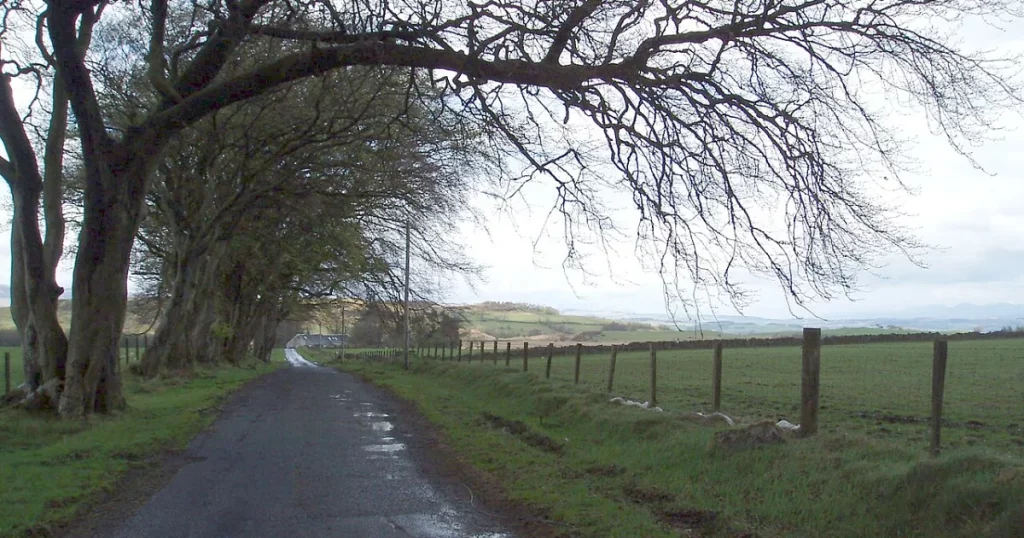
In most of the United States, you are responsible for trimming the branches of a neighbor’s tree that hang over your property—and you have the legal right to do so, but only up to the property line, at your own expense, and without harming the tree. The tree’s owner is generally not required to cut back overhanging branches unless the tree is dead, hazardous, or actually damaging your property, in which case the rules in many states shift responsibility (and potential liability) onto the owner.
When the trunk sits on the line, special rules apply — see our guide to boundary tree law and who owns a tree on the property line.
So the short answer is: the branches belong to your neighbor (the tree owner), but the right to trim the part over your land belongs to you. Below we explain who owns what, the limits on your right to trim, when the owner becomes responsible, how the law varies by state, and the practical steps to resolve it without a fight. This is general information, not legal advice—laws vary by state.
Whether you can also make the tree’s owner pay depends on your state’s legal standard. See our explainer on the Massachusetts Rule vs. the Hawaii Rule to find out which applies where you live.
Who owns the tree and the branches?
Ownership follows the trunk. A tree whose trunk stands entirely on your neighbor’s land is their tree, even if its branches and roots cross into your yard. The owner is responsible for the tree as a whole, but the branches overhanging your property are something you may address yourself. If the trunk straddles the boundary, it is usually a “boundary tree” jointly owned by both neighbors—see who owns a tree on the property line.
Your right to trim overhanging branches
Across nearly all states, a property owner may exercise self-help: you can cut back branches (and roots) that encroach over the boundary line. But that right has firm limits.
| You generally CAN | You generally CANNOT |
|---|---|
| Trim branches back to the property line | Cut anything beyond the property line |
| Do the work at your own expense | Enter your neighbor’s land without permission |
| Hire an arborist to do it safely | Top, poison, or kill the tree |
| Ask the owner to act if the tree is hazardous | Damage the tree’s health or structural integrity |
You must use reasonable care. If you trim recklessly and harm or kill the tree, you can be liable to your neighbor—sometimes for two or three times the tree’s value under timber-trespass statutes. For that reason, “just cut it” is risky; read cutting a neighbor’s tree without permission before you start.
Who pays to trim overhanging branches?
Because trimming is your right rather than the owner’s duty, you typically pay to cut back the branches on your side. The neighbor is usually only on the hook when the tree is dangerous or causing actual damage, where many states allow you to demand the owner act—or to recover costs and damages.
| Situation | Usually responsible |
|---|---|
| Healthy branches simply overhang your yard | You (self-help, your cost, up to the line) |
| Dead or clearly hazardous limbs threaten your property | Tree owner (duty of care) in many states |
| Branches cause actual, provable damage | Tree owner may owe damages (Hawaii/Virginia-rule states) |
| Tree trunk sits on the boundary line | Shared between both owners |
How the law varies by state
States follow one of a few approaches to overhanging branches. Knowing which your state uses tells you whether the owner can be forced to act.
| Rule | What it means |
|---|---|
| Massachusetts Rule | Self-help is your only remedy. You may trim to the line, but cannot sue the owner over encroaching branches or roots. Widely followed. |
| Hawaii Rule | Living trees aren’t normally a nuisance, but when they cause actual harm or imminent danger, you may trim and require the owner to pay for damage and cut back the offending growth. |
| Virginia Rule | A modification of the Massachusetts Rule: the owner can be liable and required to cut back if the tree is “noxious” and causes actual harm or imminent danger. |
Because your state’s rule controls the outcome, confirm it before acting. Our state-by-state tree law guides summarize the rule and key cases where available.
When the tree owner becomes responsible
The owner’s duty grows when a tree is no longer just inconvenient but dangerous. If an owner knew or should have known a limb was dead or likely to fail and did nothing, they can be liable for resulting injury or damage. A professional tree risk assessment documents that hazard and strengthens your request that the owner act. If overhanging limbs are already harming your home, see what to do when a neighbor’s tree damages your roof and how to handle a neighbor’s dangerous tree.
What about fallen leaves, fruit, and debris?
Naturally falling leaves, needles, fruit, and small twigs are generally considered a normal part of living near trees, and courts usually treat them as the affected neighbor’s responsibility to clean up rather than the owner’s. Branches you cut off remain your neighbor’s property—tossing them back can create its own dispute, so handle disposal carefully. We cover this in can I throw my neighbor’s tree branches back in their yard?
Steps to resolve it the right way
- Talk to your neighbor first. Many issues resolve with a friendly conversation and a shared plan.
- Confirm the boundary. Know exactly where the property line falls before any cutting.
- Put it in writing. A polite, dated letter creates a record—use our tree encroachment letter to a neighbor.
- Hire a qualified arborist. Professional trimming protects the tree’s health and limits your liability.
- Escalate carefully. If the tree is hazardous and the owner won’t act, consider mediation or legal advice.
The flip side of this question — whether your neighbor can legally cut your tree and where their trimming rights stop — is covered in our companion guide.
For a fuller breakdown of your rights and limits when cutting a neighbor’s branches, see our guide to neighbor tree trimming laws.
Disclaimer: This article provides general information, not legal advice. Tree and property laws, notice requirements, and damages vary by state and locality. Consult a licensed attorney and a qualified arborist for your specific situation.
A neighbor can trim to the line, but can they make you remove the whole tree? See can a neighbor force you to cut down a tree.
Frequently asked questions
Can I cut my neighbor’s tree branches that hang over my yard?
Yes, in almost all states you can trim overhanging branches back to the property line, at your own expense, as long as you don’t trespass or harm the tree’s health.
Who is responsible for cutting overhanging tree branches?
Usually the neighbor whose property the branches hang over—through self-help. The tree owner is typically only responsible when the tree is dead, hazardous, or causing actual damage.
Do I have to tell my neighbor before trimming?
It’s strongly recommended, and some courts expect reasonable notice so the owner can address the problem first. Giving notice also protects you if a dispute arises.
Can I make my neighbor trim their tree?
Only in limited cases—generally when the tree is hazardous or causing actual harm, and depending on your state’s rule. A documented risk assessment helps.
What if I damage the tree while trimming?
You can be liable to your neighbor for the harm, sometimes for multiple times the tree’s value under timber-trespass laws. Use a professional and stay within the property line.
Who pays if an overhanging branch damages my property?
If the owner knew the limb was hazardous and failed to act, they may be liable. Routine, unforeseeable damage is often treated as the affected owner’s responsibility or an insurance matter.
Written by Jack Turner, arborist and mediation writer for TreeLaws.org. We turn tree law and arboriculture into clear, practical guidance for neighbors.
\n
Roots cause boundary headaches too—see who pays when tree roots lift a sidewalk.
Trimming rights and ownership of what grows on an overhanging limb are separate questions — see who owns fruit from a neighbor’s tree.
