

Can My Neighbor Cut My Tree? Your Rights Explained
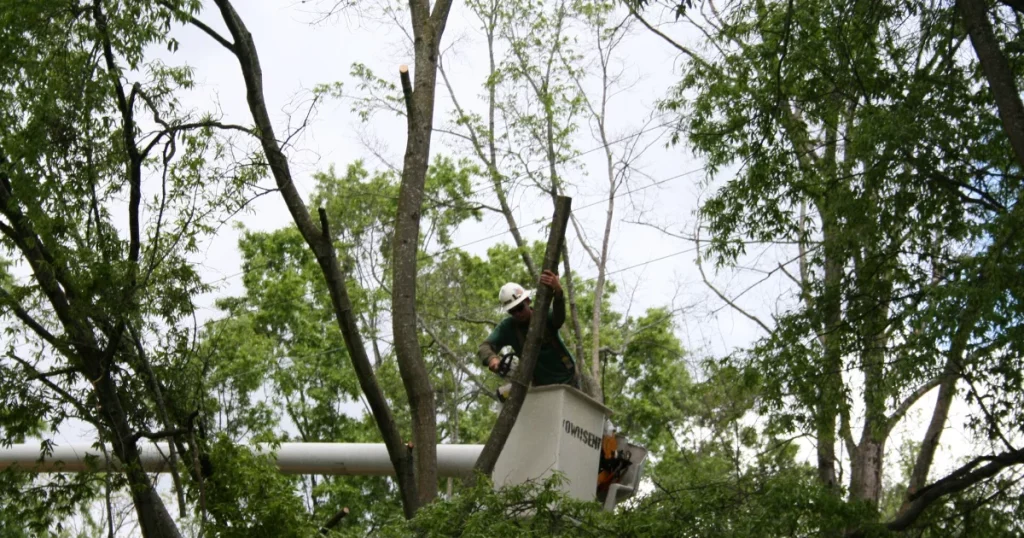
In most U.S. states, your neighbor can legally cut the branches and roots of your tree that cross over or under the property line — but only up to the boundary, and only from their own side. This long-standing principle is called the “self-help” rule. What your neighbor cannot do is enter your yard, cut down the trunk, or trim so aggressively that they kill or destroy your tree. If they cross those lines, they can be held liable to you, sometimes for two or three times the tree’s value.
For the flip side of these rules, see when you can cut down your own tree without a permit.
This guide explains exactly what your neighbor is and isn’t allowed to do to your tree, what makes a “boundary tree” different, and what your options are if a neighbor damages a tree that belongs to you. Because tree laws vary by state and even by city, treat this as general information and confirm the specifics for your location.
Can my neighbor legally cut my tree? The short answer
Yes, within strict limits. If your tree’s branches or roots encroach onto your neighbor’s property, they generally have the right to trim the encroaching parts back to the property line at their own expense. They do not need your permission to trim what is on their side. However, that right does not extend to cutting the whole tree, entering your land, or harming the tree’s health or structure. A neighbor who over-cuts can be financially responsible for the damage.
| What the neighbor wants to do | Generally allowed? |
|---|---|
| Trim branches overhanging their yard, back to the line | Yes |
| Cut roots that have grown under their property, at the line | Usually, if it doesn’t kill the tree |
| Enter your yard to reach the tree | No — that’s trespass |
| Cut the trunk or fell the whole tree | No |
| Trim so much it kills or destabilizes the tree | No — can create liability |
The self-help rule: what your neighbor CAN do
The self-help rule is the default across most of the country. It says a property owner may remove the parts of a neighbor’s tree — branches and roots — that physically cross onto their land. The reasoning is simple: you have a right to the airspace and soil within your own boundaries, and encroaching vegetation is treated like any other intrusion you may cut back.
Overhanging branches
Your neighbor may prune limbs that hang over their property, cutting them back to the boundary line. They generally must do this from their own side and typically pay for it themselves, since they are the ones choosing to remove the encroachment. For a deeper look at this from both sides, see our guide on who is responsible for cutting overhanging tree branches.
Encroaching roots
Roots follow a similar rule: a neighbor may cut roots that have grown into their yard, up to the property line. The important caveat is health — if cutting roots would destabilize or kill the tree, doing so can shift the neighbor from lawful self-help into liability. Roots that are causing real damage (to a driveway, foundation, or sidewalk) raise additional questions covered in our article on tree roots lifting a sidewalk.
Where the right stops: what your neighbor CANNOT do
The self-help right is narrow. Courts have repeatedly drawn firm limits, and crossing them turns a legal trim into an actionable wrong.
- No entering your property. All cutting must be done from the neighbor’s own side. Stepping onto your land to reach the tree is trespass.
- No cutting the trunk or felling the tree. The right covers only the encroaching branches and roots — never the whole tree, which belongs to whoever owns the land the trunk grows on.
- No killing or destroying the tree. A neighbor cannot trim so severely that they ruin the tree’s health, stability, or basic appearance. Excessive cutting that harms the tree can expose them to damages.
- No cutting beyond the boundary. They may cut only up to the property line, not past it into your airspace or soil.
Iowa State University’s Center for Agricultural Law and Taxation and state law libraries summarize this well: the right to trim encroaching growth exists, but a neighbor who destroys the tree can be liable for the loss. See the Texas State Law Library’s neighbor-law guide and Iowa State’s CALT overview for representative summaries.
Special case: boundary trees on the property line
A boundary tree — one whose trunk actually straddles the property line — is treated very differently. In most states, a tree growing on the line is jointly owned by both neighbors, and neither owner may remove or seriously harm it without the other’s consent. That means your neighbor generally cannot cut down or heavily damage a shared boundary tree even from their own side.
| Tree location | Who owns it | Neighbor’s cutting rights |
|---|---|---|
| Trunk entirely on your land | You | Trim encroaching branches/roots to the line only |
| Trunk straddles the line (boundary tree) | Both, jointly | Neither can remove or harm it without mutual consent |
| Trunk entirely on neighbor’s land | Neighbor | It’s their tree; you may only trim what crosses to you |
Our dedicated explainer on boundary tree law covers shared ownership, shared costs, and how disputes over line trees are resolved.
What if your neighbor cuts too much or kills your tree?
If a neighbor exceeds the self-help right — enters your land, cuts the trunk, or over-trims and kills or disfigures your tree — you may have a legal claim. Depending on your state, remedies can include:
- Compensatory damages for the tree’s value or the cost to restore your property.
- Timber-trespass or “wrongful cutting” damages, which in many states are enhanced to double or triple the tree’s value when the cutting was intentional. Learn more in our guide to what timber trespass is.
- Trespass damages if the neighbor entered your property to do the work.
Proving the loss usually requires a professional valuation, since a mature tree’s worth is more than firewood. A certified arborist can appraise the tree using recognized methods — see how this works in our article on tree appraisal. If a neighbor has already cut or destroyed your tree, our guides on whether you can sue a neighbor for tree damage and what to do when a neighbor cuts your tree without permission walk through the steps.
How to prevent a tree-cutting dispute
Most neighbor tree conflicts are avoidable with communication. Before anyone reaches for a saw, these steps protect both the relationship and everyone’s legal position.
| Step | Why it helps |
|---|---|
| Talk first and agree in writing | Clarifies who does what, from which side, and who pays |
| Confirm the property line | A survey settles whose tree it is and where the boundary runs |
| Hire a certified arborist for real cutting | Protects tree health and avoids liability for over-cutting |
| Photograph before, during, and after | Creates evidence if a dispute arises later |
If you are planting near a shared line, our guide on how close to the property line you can plant a tree can help you avoid future friction. And if you are the one considering trimming a neighbor’s tree, read whether you can be sued for trimming a neighbor’s tree first.
Related: can a neighbor force you to cut down a tree you own, and when they legally can.
Frequently asked questions
Can my neighbor cut branches on their side of the fence without asking me?
Generally yes. Under the self-help rule, a neighbor can trim branches that overhang their property back to the boundary line without your permission, as long as they work from their own side and don’t harm the overall tree.
Can my neighbor cut my tree’s roots?
They can usually cut roots that have grown onto their property, up to the line. But if cutting those roots would kill or destabilize the tree, doing so can make them liable for the damage. Root cutting near a large tree should be done carefully, ideally with an arborist’s input.
Can my neighbor cut down my whole tree if it hangs over their yard?
No. The right to trim encroaching branches does not include the right to remove the tree. If the trunk is on your land, the tree is yours, and felling it without your consent can lead to significant liability, including enhanced timber-trespass damages in many states.
Who pays for trimming a neighbor’s overhanging branches?
Typically the neighbor who wants the branches removed pays, because they are exercising their own right to clear the encroachment. Neighbors are free to agree to split the cost, especially for larger jobs, and putting that agreement in writing avoids later disputes.
What if my neighbor damaged my tree — is it worth pursuing?
It can be. Mature trees are often worth thousands of dollars, and many states allow double or triple damages for intentional cutting. Start by documenting the damage, getting an arborist’s appraisal, and sending a demand letter before deciding whether to pursue a claim.
Learn more about what trimming is and is not allowed in our overview of neighbor tree trimming laws.
Disclaimer: This article is general information, not legal advice. Tree and property laws vary significantly by state and locality, and outcomes depend on the specific facts. Consult a licensed attorney in your area and a certified arborist before acting on a tree dispute.
