

Can I Sue My Neighbor for Tree Damage?
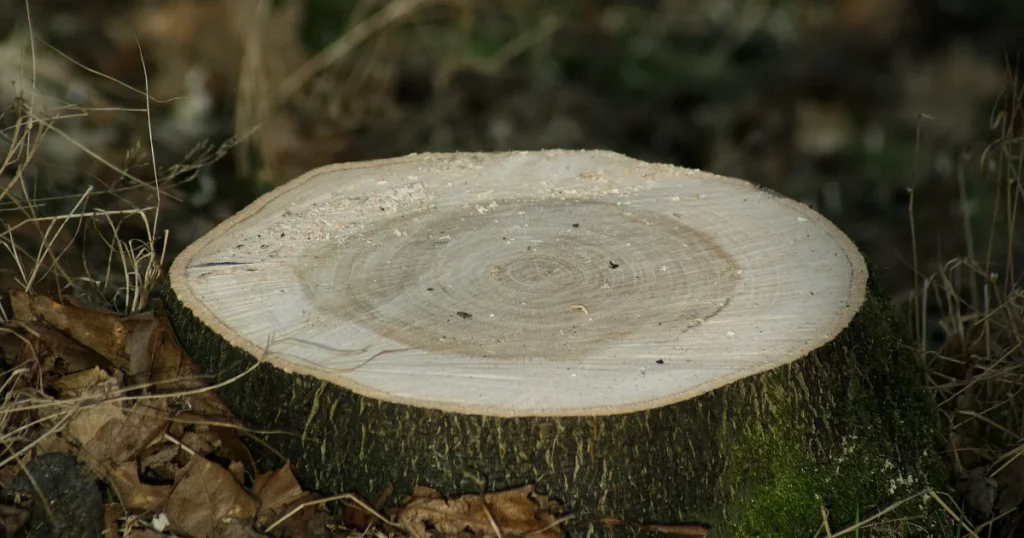
Yes, you can usually sue a neighbor for tree damage when they cut, removed, or harmed your tree without permission, or when their negligence with their own tree damaged your property. Whether it’s worth suing depends on what you can prove and what you can recover — which ranges from the cost of repair or replacement to, in many states, double or triple (“treble”) damages for intentional or reckless tree cutting. The key is proving fault and documenting the loss before you file.
Timing is critical: there is a statute of limitations for tree damage claims, usually two to six years, and missing it can bar your case entirely.
This guide explains when you have a case, the damages you can claim, the states that allow treble damages, how to prove it, and the practical steps from demand letter to courtroom.
Before heading to court, it’s usually worth exhausting cheaper options. Our step-by-step guide on how to resolve a tree dispute with your neighbor covers demand letters, mediation, and when a lawsuit makes sense.
When you can sue a neighbor over a tree
Most tree lawsuits between neighbors fall into one of three legal grounds:
- Wrongful or unauthorized cutting (trespass to trees). If a neighbor — or a contractor they hired — cuts down, tops, or removes a tree on your property without consent, they are generally liable for your loss. This is the strongest type of claim.
- Negligence. If your neighbor knew (or should have known) their tree was dead, diseased, or dangerous and failed to act, and it then fell and damaged your property, they may be liable for negligence.
- Encroachment and root or branch damage. If a neighbor’s tree roots or branches cause real, provable damage — not just dropped leaves — you may have a claim, though many states first expect you to trim back to the property line at your own cost.
A healthy tree that falls in a storm is usually treated as an “act of nature” with no one at fault, so negligence claims hinge on showing the tree was a known hazard.
Common scenarios and who is typically liable
| Scenario | Can you usually sue? | Basis |
|---|---|---|
| Neighbor cut down your tree without asking | Yes — often strong case | Wrongful cutting / trespass |
| Neighbor’s contractor cleared onto your land | Yes — neighbor and/or contractor | Trespass / negligence |
| Dead tree the neighbor was warned about fell on your property | Often yes | Negligence |
| Healthy tree fell in a storm | Usually no | Act of nature, no fault |
| Roots cracked your foundation or pipes | Sometimes | Encroachment / nuisance, varies by state |
| Branches overhang but cause no damage | Usually no | Self-help: trim to the line |
What damages can you recover?
Courts try to put you back in the position you were in before the damage. Depending on your state and the facts, recoverable damages can include:
- Cost of restoration or replacement — what it costs to replace the tree or repair the damage, which for a mature tree can be substantial.
- Diminution in property value — the drop in your land’s market value, used when full replacement isn’t practical.
- Repair costs for structures, fences, or landscaping the tree damaged.
- Statutory multiplied damages — double or treble damages in states that punish intentional or reckless tree destruction (see below).
For a mature, hard-to-replace tree, the difference between “stump value” and true replacement or appraised value is enormous, which is why a professional valuation matters. See our guide to tree appraisal for how arborists put a dollar figure on a lost tree.
Treble (and double) damages by state
Many states have statutes that multiply damages when someone wrongfully cuts or destroys another person’s trees, to deter timber trespass. The multiplier and the conduct required (intentional vs. reckless vs. negligent) vary, so always check your own state’s current statute.
| State | Multiplier (general) | Statute (illustrative) |
|---|---|---|
| California | Double, or triple for willful/malicious | Civil Code § 3346 |
| Washington | Treble for intentional | RCW 64.12.030 |
| New York | Treble stumpage value, or set per-tree amount | RPAPL § 861 |
| Iowa | Treble for willful injury | Iowa Code § 658.4 |
| Ohio | Treble for reckless damage | Ohio Rev. Code § 901.51 |
These are illustrative; statutory citations, multipliers, and the required mental state change over time and differ from state to state. Confirm the current law where you live, and compare neighboring rules in our tree laws by state comparison.
How to prove your case
Tree cases are won on documentation. Before and during a dispute, gather:
- Photos and video of the tree before and after, and of the damage.
- A survey or property line evidence showing the tree was on your land — see boundary tree law for trees on or near the line.
- An arborist’s report and appraisal establishing the tree’s species, size, health, and value.
- Proof the neighbor was responsible — admissions, texts, contractor records, or prior warnings you sent.
- Receipts and estimates for removal, cleanup, repair, and replacement.
If the tree was cut without your consent, our guide on how to prove a tree was cut without permission walks through the evidence step by step.
The process: from demand letter to court
Start with a demand (or cease-and-desist) letter
Most disputes settle without a trial. A clear written demand — stating the facts, the damage, the amount owed, and a deadline — often prompts the neighbor’s insurer to engage. If cutting is ongoing or threatened, a cease-and-desist letter for tree cutting can stop it and create a paper trail.
Small claims vs. civil court
For smaller losses, small claims court is fast and inexpensive, but it caps recovery (commonly $2,500 to $10,000 depending on the state) and may limit multiplied damages. For a valuable mature tree or a treble-damages claim, regular civil court with an attorney is usually the better route. Mind the statute of limitations — the deadline to file (often a few years) varies by state and claim type — and ask whether your statute allows recovery of attorney’s fees and costs.
When suing may not be worth it
Litigation costs money, time, and goodwill with someone you live beside. If the damage is minor, the neighbor was not at fault, or you cannot prove responsibility, mediation or a negotiated split is often the smarter outcome. Weigh the realistic recovery (after fees) against the cost and stress before filing. For background on liability where a neighbor’s tree damaged your property generally, see when a neighbor’s tree damages your property.
Legal disclaimer
This article is general information, not legal advice, and reading it does not create an attorney-client relationship. Tree liability, damage multipliers, court limits, and filing deadlines vary by state and change over time. For your specific situation, consult a licensed attorney in your state before taking action.
Frequently asked questions
Can I sue my neighbor for cutting down my tree?
Usually yes. Cutting or removing a tree on your property without consent is wrongful cutting, and most states let you recover the tree’s value — often doubled or tripled if the act was intentional. Document ownership, the tree’s value, and who did it.
How much can I get for a tree my neighbor destroyed?
It depends on the tree’s appraised replacement value, your state’s damage rules, and whether multiplied damages apply. A mature, high-value tree can be worth thousands; an arborist appraisal sets the figure used in court.
Can I sue if my neighbor’s tree roots damaged my property?
Sometimes. If roots caused real, provable damage you may have a nuisance or encroachment claim, but many states first expect you to trim roots and branches back to the property line at your own expense. The rules vary widely by state.
What is the time limit to sue for tree damage?
The statute of limitations varies by state and claim type, commonly a few years from the date of damage. Because deadlines differ, confirm yours early and don’t wait — missing it can bar your claim entirely.
Should I use small claims court or hire a lawyer?
Small claims is good for smaller, straightforward losses within the state’s dollar cap. For a valuable tree or a treble-damages claim, a civil suit with an attorney usually recovers more, even after fees.
If the damage comes from encroaching roots specifically, see tree roots damaging a neighbor’s property.
