

Utility Company Cut or Ruined My Tree: Your Compensation Rights
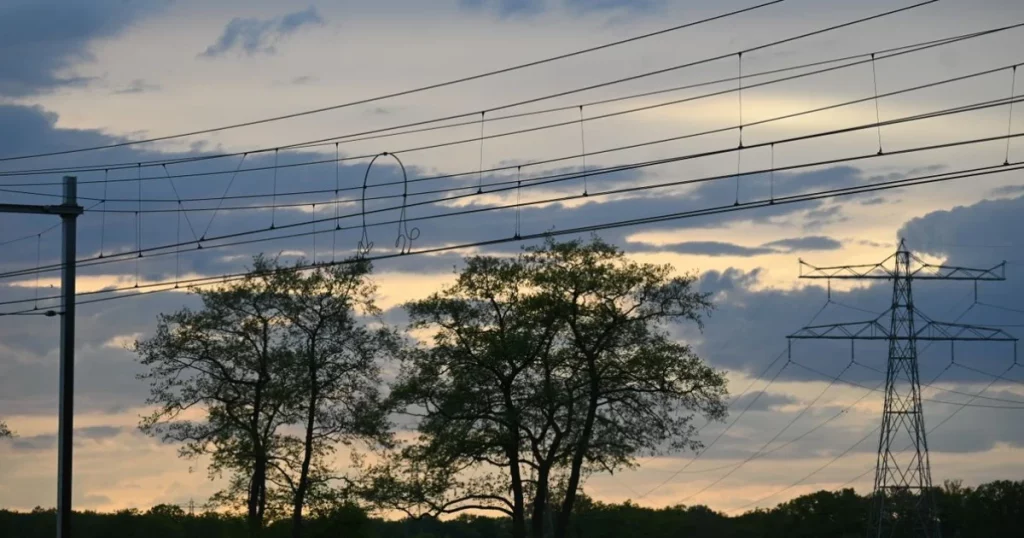
Few things are as frustrating as coming home to find a power company crew has topped or hacked your beautiful tree into a lopsided shape. The hard truth: utilities usually have an easement right to trim vegetation near their lines, often without your prior consent. But that right is not unlimited — if a utility exceeds its easement, cuts negligently, or needlessly destroys a healthy tree, you may have a claim for compensation.
Here is what utilities can legally do, when you can push back, and how to seek payment.
What Utilities Are Allowed to Do
Easement Rights
Most utilities hold an easement (a legal right of access) along their lines for safety and reliability, letting them trim or remove vegetation that threatens the wires. This is why crews can prune trees near power lines without asking first. For the basics, see can a utility company cut my trees without permission.
Reasonable Necessity
The work must be reasonably necessary for line safety and confined to the easement. Industry pruning standards (ANSI A300) discourage harmful “topping.”
When You May Have a Claim
Exceeding the Easement
If a crew cut trees outside the easement area or removed a tree that posed no threat to the lines, that can be trespass or property damage you can pursue.
Negligent or Excessive Cutting
Butchering a tree so badly that it dies or is disfigured beyond the necessary clearance may support a claim, especially if it ignored accepted pruning standards.
| Utility action | Claim likely? |
|---|---|
| Reasonable trim within easement | No |
| Cutting outside the easement | Possibly (trespass) |
| Needlessly killing a healthy tree | Possibly (damages) |
| Removing a clear line hazard | Usually permitted |
How Tree Value Is Determined Here
As with any tree-damage claim, value is based on replacement cost, lost property value, or an arborist appraisal — see how to value a tree for a damage claim. The harder part is proving the cutting exceeded what the easement allowed.
Steps If a Utility Damaged Your Tree
Document It
Photograph the tree and the line’s location, note the easement boundaries, and get an arborist’s assessment of the damage and whether the cutting was excessive.
Contact the Utility and PUC
File a complaint with the utility’s claims department; if unresolved, your state Public Utility Commission may help. For valuation-to-lawsuit context, see how much you can sue for cutting down a tree.
Preventing Future Over-Cutting
Right Tree, Right Place
Avoid planting tall species under power lines; choose low-growing trees for those areas.
Communicate Ahead of Work
Ask the utility for notice before line-clearance work and request adherence to ANSI pruning standards.
If the issue is vegetation contact itself, our guide on tree branches touching power lines explains who is responsible and what to do safely.
Frequently Asked Questions
Can a utility company cut my tree without permission?
Usually yes, within its easement, for line safety — but not outside the easement or by needlessly destroying a healthy tree.
Can I get compensation if the power company ruined my tree?
Possibly, if the cutting exceeded the easement or was negligent/excessive. Document it and pursue a claim through the utility and, if needed, your state PUC.
How is the damaged tree’s value figured?
By replacement cost, lost property value, or a certified arborist’s appraisal.
This article is general information, not legal advice; easement and utility rules vary by state.
Whether compensation is owed usually depends on scope. Read who is responsible for trees in an easement to see where the rights of a utility end.
