

Can I Sue a Tree Service for Cutting the Wrong Trees?
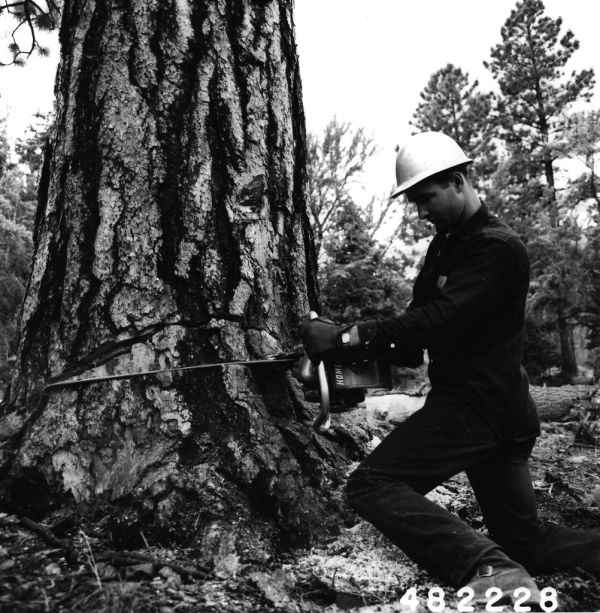
You hired no one — but a tree crew working next door (or for a neighbor, utility, or developer) cut your trees anyway. Can you go after the company itself?
Yes. When a tree service cuts the wrong trees or crosses onto your property without authorization, the company is generally liable for timber trespass — and unlike an individual neighbor, a licensed tree service usually carries insurance, making it a far more collectible defendant. You may be able to recover the trees’ value (often doubled or tripled) plus restoration costs.
Here’s who’s on the hook and how to recover.
Who’s liable — the company, the neighbor, or both?
Often more than one party shares responsibility, which is good for you (more sources to collect from):
| Party | When they’re liable |
|---|---|
| The tree service | Cut without verifying the property line / authorization — direct trespass |
| The neighbor or client who hired them | Directed or authorized the cutting on land they didn’t own |
| A utility / developer | Exceeded an easement or work order |
You can typically pursue the company and the hiring party together. The cutting itself is timber trespass, which in most states triggers double or treble damages.
Why suing the company is often better
- Insurance & assets: licensed tree services carry liability coverage and have business assets — a judgment is collectible.
- Clear duty: professionals are expected to confirm boundaries and authorization before cutting; failing to is strong evidence of negligence or recklessness.
- Records: the company’s work order, invoice, and crew statements help prove what happened and who directed it.
What you can recover
The same timber-trespass framework applies: the appraised value of the trees, multiplied by the state’s statutory factor for willful/negligent cutting, plus restoration. Mature trees appraise high — see how to value a tree and how much you can sue for cutting a tree.
Steps to take
- Document the stumps, cut wood, and damage before cleanup.
- Get the company’s name from the truck, the neighbor, or the crew; note the date and any statements (e.g., “we were told to”).
- Get a survey if the line is unclear, and an arborist appraisal of the loss.
- Notify the company in writing and request its insurance information.
- Send a demand letter to the company and the hiring party — use our template.
- File suit (or small claims for smaller amounts) before the deadline.
What the company will argue
Expect: “the client said it was their tree,” “the line was unmarked,” or “the trees were dead/hazardous.” A survey, your lack of consent, and an arborist’s report on the trees’ health rebut these. If the crew relied on a client’s false assurance, liability may shift toward the client — but the company’s duty to verify usually keeps it in the case.
Frequently asked questions
The company says the neighbor told them to. Am I out of luck?
No. The company generally still had a duty to confirm boundaries; you can pursue both the company and the neighbor.
What if the tree service isn’t licensed or insured?
You can still sue, but collection is harder — which is why you also pursue the hiring party.
Is this small claims or a regular lawsuit?
Small claims for lower amounts; for valuable trees and treble damages, consult an attorney about civil court.
How long do I have?
A statute of limitations applies and varies by state — don’t wait. See the deadlines by state.
Disclaimer: General legal information, not legal advice. Liability and timber-trespass rules vary by state. Consult a licensed attorney and a certified arborist.
