

How to Value a Tree for a Damage Claim
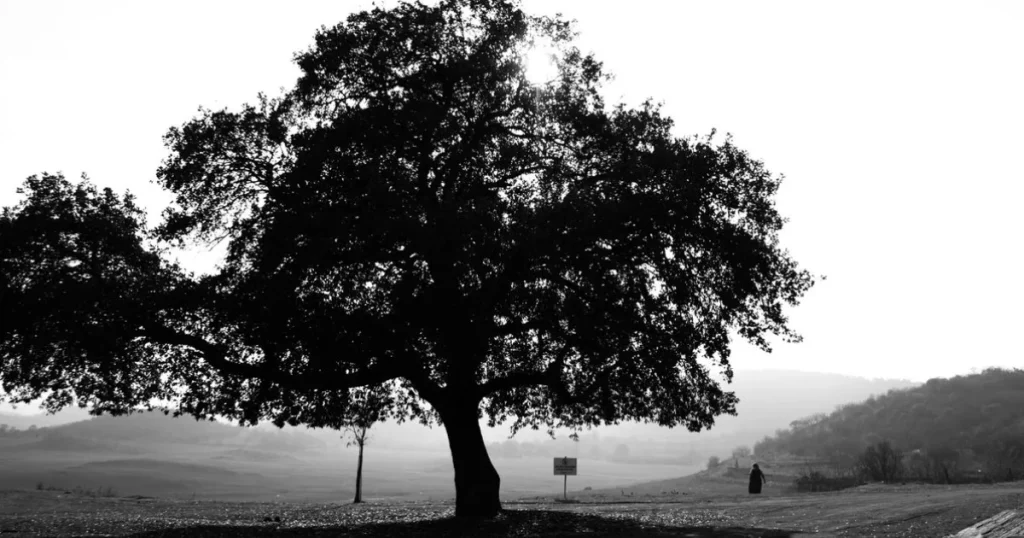
The size of any tree-damage claim hinges on one number: what the tree was worth. And that is rarely the price of firewood. A mature, well-placed tree can be valued in the thousands — sometimes tens of thousands — using established appraisal methods. The main approaches are replacement cost, the loss in your property’s value, recognized appraisal formulas for large trees, and timber/market value for commercial wood.
The figure behind any claim starts with a tree appraisal — learn how arborists put a dollar value on a tree.
Here is how each method works and how to get a defensible valuation.
Why Tree Valuation Matters
Whether you are filing an insurance claim or suing a neighbor, the valuation is the backbone of your case. A credible, written appraisal is what turns “my tree” into a specific dollar figure a court or insurer will accept. See how it feeds damages in how much you can sue for cutting down a tree.
The Main Valuation Methods
Replacement Cost
The cost to buy and install a comparable tree. This works well for small or mid-size trees that nurseries can actually supply.
Diminished Property Value
The drop in your property’s market value caused by losing the tree — often the right method for a large, mature specimen that cannot realistically be replaced.
| Method | Best for |
|---|---|
| Replacement cost | Small/replaceable trees |
| Diminished property value | Large, mature trees |
| Appraisal formula (CTLA) | Specimen/unique trees |
| Timber/market value | Commercial wood |
Appraisal Formulas for Big Trees
The Trunk Formula (CTLA)
For large trees too big to replace, arborists often use the trunk-formula method from the CTLA “Guide for Plant Appraisal,” which factors trunk size, species, condition, and location into a value.
Timber or Market Value
For commercially valuable hardwoods, the market value of the harvested wood may apply.
What Affects a Tree’s Value
Size, Species, and Condition
Bigger, healthier, slower-growing, and rarer trees are worth more. Condition before the damage matters — a declining tree is worth less.
Location and Function
A tree providing shade, privacy, or curb appeal in a prime spot is valued higher than the same tree in a back corner.
Getting a Professional Appraisal
Hire a Certified Arborist
A certified arborist or consulting arborist can produce a written appraisal that holds up with insurers and courts.
Document the Tree
Provide pre-loss photos, species, and measurements if you have them; the more evidence, the stronger the number. See cutting a neighbor’s tree without permission and whether insurance covers tree damage.
Frequently Asked Questions
How do you calculate the value of a tree for a claim?
Using replacement cost, the drop in property value, a CTLA appraisal formula, or timber value — whichever best fits the tree, ideally confirmed by a certified arborist.
How much is a mature tree worth?
It varies widely, but mature, well-placed specimens are often valued from several thousand to tens of thousands of dollars.
Do I need an arborist to value my tree?
For any significant claim, yes — a written arborist appraisal is far more persuasive than an estimate.
This article is general information, not legal advice; valuation and tree laws vary by state.
