

How to Report Illegal Tree Cutting: Steps & Who to Call
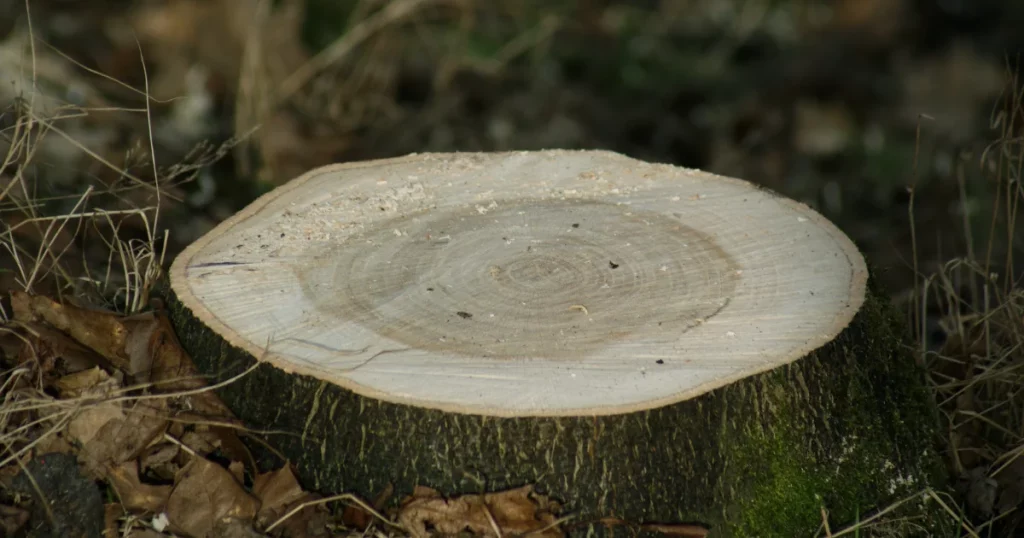
To report illegal tree cutting, contact the authority that has jurisdiction over where the tree stood, then give them evidence. For a tree on private property or a city street, that is usually your city’s code enforcement office or urban forester; for a tree on state or federal land, it is the state forestry agency or the U.S. Forest Service or BLM. Gather photos, dates, and any details about the crew or company, then file a report by phone, online form, or the local non-emergency line. If the tree was yours, you may also have a separate civil claim for damages.
Illegal tree cutting covers several situations: a neighbor or contractor removing your tree without permission, someone cutting a protected or heritage tree without a permit, removal of a public street tree, and timber theft on public land. The right place to report depends on which of these you are dealing with. This guide walks through each step.
How to report illegal tree cutting: the quick steps
If you need to act fast, follow this sequence. Each step is expanded in the sections below.
- Confirm where the tree stood (private lot, street/right-of-way, or public land).
- Identify the correct authority for that location.
- Photograph the stump, the site, and any crew, truck, or equipment.
- Note the date, time, and address, and get names or a company or license-plate number if you can.
- File a report by phone, online form, or the non-emergency line.
- If the tree was yours, also document your losses for a possible civil claim.
If cutting is actively happening and appears unauthorized, call your local non-emergency line right away, and 911 only if there is an immediate safety threat.
Figure out who has jurisdiction
The single most important step is matching the location of the tree to the agency that regulates it. Reporting to the wrong office is the most common reason complaints stall.
| Where the tree stood | Who to contact | Notes |
|---|---|---|
| Private property (yours or a neighbor’s) | City code enforcement or urban forester | Protected/heritage or permit rules may apply |
| Street tree / right-of-way | City arborist or transportation department | Street trees are usually the city’s property |
| City park or public land | Parks department or city forestry | Often a dedicated forestry hotline |
| State land or state forest | State forestry or natural resources agency | May involve conservation officers |
| National forest or BLM land | U.S. Forest Service or Bureau of Land Management | Timber theft is a federal offense |
Cutting or injuring trees on U.S. public land can be prosecuted under 18 U.S. Code § 1853, and agencies such as the BLM have offered rewards for information on illegal cutting. Timber theft on private and public land is also a recognized crime that state extension programs, like NC State Extension, track and help landowners prevent.
Private property and neighbor trees
If a neighbor or a contractor cut a tree on private land without permission or without a required permit, report it to your city’s code enforcement or planning office. Many cities regulate removal of large, protected, or heritage trees even on private lots. If the tree was yours, see the civil options below, and read our guide on what to do when a neighbor cuts down your tree without permission.
Street and public trees
Trees between the sidewalk and the curb, and trees in parks, are usually public property. Report damage to them through the city arborist, forestry division, or a tree hotline. Our overview of who is responsible for city trees explains how these are managed.
Protected trees and permit violations
If the tree was a protected species or a heritage tree removed without a permit, the violation falls under your local tree ordinance. Report it to the office that issues tree permits, usually planning or development services. See which trees qualify in our guide to protected tree species and how tree preservation orders work.
Evidence to gather before you report
A report backed by clear evidence is far more likely to lead to enforcement. Collect as much of the following as you safely can.
| Evidence | Why it helps |
|---|---|
| Photos of the stump and site | Shows the cut is recent and documents scale (include a person or object for size) |
| Photos of the crew, truck, or equipment | Company name or license plate helps identify who did the work |
| Date, time, and exact address | Establishes when and where the cutting happened |
| Names or business details | Identifies responsible parties for enforcement or a claim |
| Prior photos of the living tree | Proves the tree existed and its size and health beforehand |
Do not trespass or confront a crew to collect evidence. Photograph from a safe, lawful vantage point, and let the authorities handle the investigation.
How to file the report
Once you know the right authority and have your evidence, filing is usually quick. Common channels include:
- Online form: Many cities have a “report a tree violation” web form on their planning or development-services site.
- Phone: A non-emergency line, 3-1-1 service, or a dedicated tree hotline.
- Email: Some forestry divisions accept complaints with attached photos.
- In person: Code enforcement or the planning counter for permit-related violations.
Search your city name plus “report tree violation” or “tree removal permit” to find the correct channel. Provide your evidence, be factual, and ask for a case or reference number so you can follow up.
What happens after you report
After a report, the agency typically opens a case, inspects the site, and determines whether a violation occurred. Outcomes vary widely by jurisdiction.
| Possible outcome | What it means |
|---|---|
| Investigation and site visit | An inspector confirms whether cutting was unauthorized |
| Civil fine or citation | Penalty for removing a protected or permitted tree |
| Replacement / mitigation order | Requirement to replant, sometimes several trees per one lost |
| Restitution | Payment based on the appraised value of the tree |
| Criminal charges (public land) | Possible for timber theft on state or federal land |
If it was your tree: civil options
Reporting a violation to the authorities is separate from recovering your own losses. If someone cut a tree that belonged to you, you may be able to bring a civil claim for the tree’s value. Many states treat wrongful cutting as timber trespass and allow treble (triple) damages. A first step is often a cease-and-desist letter, and our guide on whether you can sue a neighbor for tree damage explains how these claims work.
Frequently asked questions
Who do I call about illegal tree cutting?
Call the authority for where the tree stood: your city’s code enforcement or urban forester for private and street trees, the parks department for park trees, your state forestry agency for state land, and the U.S. Forest Service or BLM for national forest or federal land. Use the non-emergency line if cutting is happening now.
Can I report illegal tree cutting anonymously?
Many cities accept anonymous complaints through their online form or non-emergency line. However, providing your contact information can help investigators follow up and can be important if you are the tree owner pursuing a claim.
What if my neighbor cut down my tree?
Report any permit or ordinance violation to city code enforcement, and separately consider a civil claim for the tree’s value. Document the tree and the damage, and see our guide on a neighbor cutting your tree without permission for next steps.
What evidence do I need to report tree cutting?
Photos of the stump and site, photos of any crew or truck (with company name or license plate), the date, time, and address, and any prior photos of the living tree. The more you document, the stronger the case.
Common types of illegal tree cutting
“Illegal tree cutting” is a broad label that covers several distinct situations. Identifying which one you are dealing with points you to both the right authority and the right remedy.
| Type | Typical setting | Who regulates it |
|---|---|---|
| Removing a protected or heritage tree without a permit | Private or public land | City planning or arborist office |
| Cutting a neighbor’s tree or crossing a boundary | Private property | Code enforcement, plus a civil claim |
| Topping or destroying a street or park tree | Right-of-way or public land | City forestry or transportation |
| Timber theft (harvesting trees for lumber) | Rural or public land | State forestry and law enforcement |
| Utility or contractor over-cutting | Easements and right-of-way | Utility regulator and the city |
Utility and contractor over-cutting
Utility companies generally have easement rights to clear vegetation near power lines, but those rights have limits. If a crew cut far beyond what was needed or removed trees outside the easement, report it to both the city and the utility, and keep photos and any notices the company left. Our guide on tree branches touching power lines explains where utility authority ends.
How long does the process take?
Timelines vary widely. A simple street-tree complaint may get an inspection within days, while a contested permit violation or a timber-theft investigation on public land can take weeks or months. Ask for a case number when you file, follow up in writing, and keep your own copies of every photo and message. Persistence matters: many enforcement actions move forward only because the reporting party kept a clear record and checked back.
Tips to make your report stick
A few habits dramatically improve the odds that your report leads to real enforcement:
- Report quickly. Fresh cuts and visible crews are easier to act on than a months-old stump.
- Be specific and factual. Give exact addresses, dates, and times rather than general impressions.
- Attach photos. Visual evidence moves a complaint from “he said, she said” to a documented case.
- Use the right office the first time. Confirm jurisdiction so your report is not bounced between departments.
- Keep a paper trail. Save your submission, the case number, and any responses.
- Separate the two tracks. A code complaint and a civil claim are different processes; pursue both if the tree was yours.
Disclaimer
This article is general information, not legal advice. Reporting procedures, penalties, and civil remedies vary by state, county, and city and change over time. Confirm the process with your local government, and consult a qualified attorney about your specific situation.
