

Tree Preservation Order: What It Is and the Rules
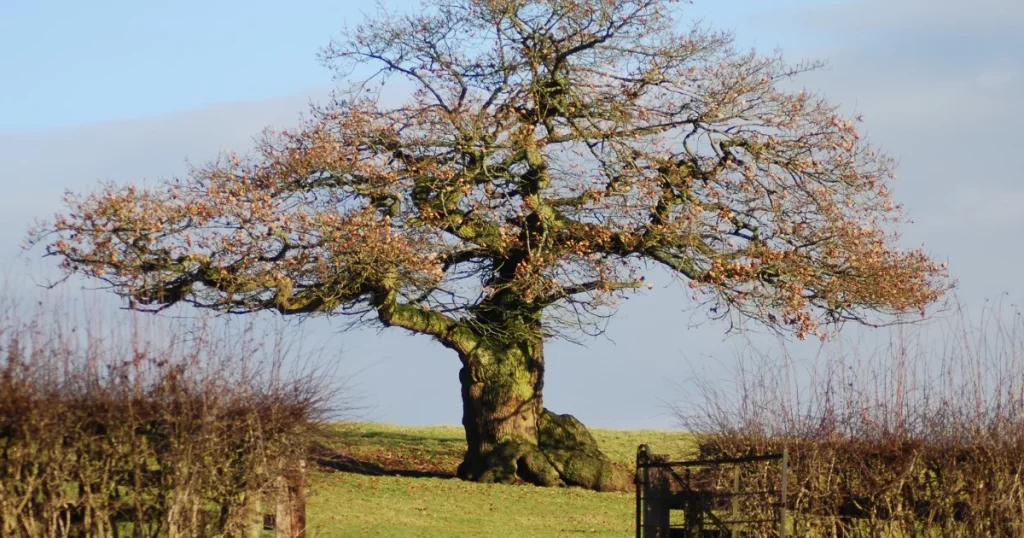
A tree preservation order (TPO) is a legal order made by a local authority that protects a specific tree, group of trees, or woodland from being cut down, topped, lopped, uprooted, or otherwise deliberately damaged without written consent. Doing protected work without permission is a criminal offence and can carry heavy fines. The term is used most formally in the United Kingdom, but the United States protects important trees through closely related tools — local tree preservation ordinances and protected or heritage tree designations. If you are unsure whether your tree qualifies, learn which tree species are commonly protected.
This guide explains exactly what a TPO does, how to find out whether a tree is protected, how to get permission to work on it, the exemptions that apply, the penalties for breaching one, and how the system compares to protected-tree rules in the US.
What a tree preservation order actually protects
A TPO makes it an offence to carry out — or to cause or permit someone else to carry out — certain works to a protected tree without the local authority’s written consent. The order can apply to a single tree, several trees, an area of trees, or a woodland. It protects the tree itself, not the land, and it stays with the tree even when the property is sold.
| Activity | Allowed without consent? |
|---|---|
| Felling (cutting down) | No — written consent required |
| Topping or lopping | No — written consent required |
| Uprooting | No — written consent required |
| Wilful damage or destruction (including root damage) | No — offence |
| Cutting a dead or genuinely dangerous tree | Generally exempt, with notice (see below) |
| Normal watering, mulching, and light care | Yes |
A TPO can cover hedgerow trees but not the hedgerow itself. The aim is to safeguard trees that bring clear amenity value to an area — visual, historic, or environmental.
How to check if a tree has a TPO
Before doing any work on a mature or prominent tree, confirm its status. There are three reliable ways:
- Ask the local planning authority (council). Every authority keeps a register of the TPOs it has made and can tell you whether a specific tree is protected.
- Check the property’s legal paperwork. A TPO is usually flagged in a local land charges search during a property purchase, so it may appear in your conveyancing documents.
- Look for a conservation area. Trees within a designated conservation area receive similar protection even without an individual TPO, and you must give notice before working on them.
If you are unsure, treat the tree as protected until the authority confirms otherwise. Guessing wrong is expensive.
Getting consent to work on a protected tree
To carry out work on a tree with a TPO, you apply to the local authority for consent, explaining the work and the reasons. In the UK this is done through the Planning Portal, and authorities generally aim to decide within about eight weeks; applicants are usually advised to allow at least six weeks’ notice. Consent may be granted outright, granted with conditions (for example, a requirement to plant a replacement), or refused. If refused, there is normally a right of appeal.
Conditions and replacement planting
When consent is given to fell a protected tree, the authority often attaches a condition to plant a replacement of a suitable size and species. If a protected tree is removed unlawfully, a duty to plant a replacement can arise automatically — and that duty can pass to a new owner if the land changes hands before the replacement is planted.
Exemptions: dead and dangerous trees
You do not need full consent to deal with a tree that is dead or that presents an urgent danger, but you usually cannot simply act without telling anyone. Typical rules require:
- Five days’ written notice to the authority before cutting a dead tree, so they can inspect and agree it qualifies.
- An exemption for imminent danger — where a tree poses an immediate risk to life or property, urgent work to remove that risk can be carried out, but you should keep evidence (photos, an arborist’s assessment) proving the danger existed.
“Dead or dangerous” is judged on facts, not opinion. Document the tree’s condition thoroughly before any work, because the burden is on you to show the exemption applied. A professional tree risk assessment is the strongest evidence you can hold.
Penalties for breaching a TPO
Breaching a TPO is a criminal offence, and the penalties are deliberately steep to deter unlawful felling.
| Offence route | Maximum penalty |
|---|---|
| Serious cases tried in the magistrates’ court | Fine of up to £20,000 |
| Most serious cases tried in the crown court | Unlimited fine |
| Minor offences | Lower-level fines, plus possible replacement duty |
Courts can take into account any financial benefit the offender gained — for example, the increased value or view created by removing the tree. On top of any fine, the offender may be required to plant a replacement tree.
Buying or owning a property with a TPO
A TPO does not stop you from buying or selling a property, but it does limit what you can do with the protected trees. If you are buying, your conveyancer’s searches should reveal any TPOs; ask specifically if you plan future landscaping. As an owner, you remain responsible for the tree’s general health and safety even though you cannot freely cut it — you may still carry out exempt works and routine care, and you can apply for consent for anything more.
Tree preservation orders in the United States
The US does not use the exact term “tree preservation order” at the national level. Instead, individual cities, counties, and some states protect significant trees through tree preservation ordinances and protected, heritage, or landmark tree designations. The practical effect is similar: you often need a permit before removing or heavily pruning a protected tree, and removing one illegally can bring fines and replacement requirements.
| Feature | UK tree preservation order | US protected-tree rules |
|---|---|---|
| Made by | Local planning authority (council) | City or county (sometimes state) |
| Common name | TPO | Tree preservation ordinance / protected or heritage tree |
| Permission to remove | Written consent from the authority | Local removal permit |
| Dead/dangerous trees | Exempt with notice | Usually exempt, often with documentation |
| Penalty for illegal removal | Fines up to unlimited; replacement | Fines and replacement, varies widely by locality |
Because US rules are set locally, they vary dramatically from one city to the next. Always check your municipality first — our guides to protected and heritage tree rules, whether you need a permit to remove a tree, and our tree laws by state comparison are good starting points.
Legal disclaimer
This article is general information, not legal advice. Tree protection law differs between countries, states, and local authorities, and the rules and penalty figures above can change. Before working on any mature or prominent tree, confirm its status and the current requirements with your local authority, and consult a qualified solicitor, attorney, or arborist for your specific situation.
Frequently asked questions
How do I find out if a tree has a tree preservation order?
Contact your local planning authority (in the UK) or your city or county planning department (in the US) and ask whether the specific tree is protected. The status may also appear in the property’s land charges or conveyancing search. When in doubt, assume it is protected until confirmed.
Can I cut down a tree with a TPO if it is dangerous?
You can usually carry out urgent work to remove an immediate danger, and you can cut a genuinely dead tree after giving the required notice (commonly five days). Keep photographs and ideally an arborist’s report proving the danger, because you must be able to show the exemption applied.
What happens if I breach a tree preservation order?
It is a criminal offence. Fines can reach £20,000 in a magistrates’ court and are unlimited in the crown court, and you may also be ordered to plant a replacement tree. US localities impose their own fines and replacement requirements.
Does a tree preservation order transfer to a new owner?
Yes. A TPO protects the tree, not a particular owner, so it remains in force when the property is sold. Any outstanding duty to replace an unlawfully removed tree can also pass to the new owner.
Is there a tree preservation order in the United States?
Not by that exact name. US protection comes from local tree preservation ordinances and protected, heritage, or landmark tree designations, which work similarly but are set city by city, so the rules vary widely.
