

Neighbor Cut Down My Tree Without Permission: What to Do
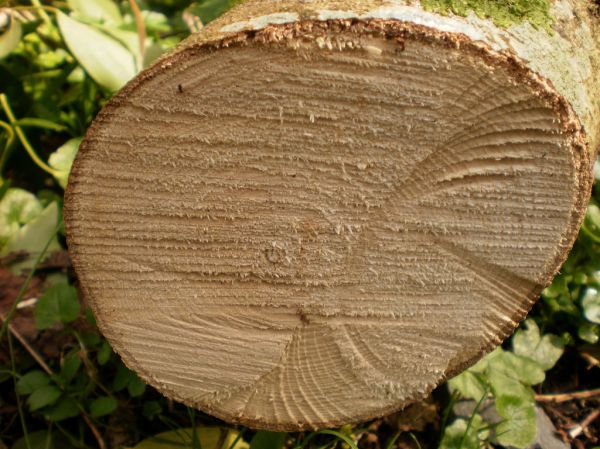
Few things feel more violating than coming home to find a tree you loved cut down, topped, or hacked back by a neighbor who never asked. The good news: the law usually takes your side, and the financial remedies can be significant.
If the tree straddled the property line, boundary tree law treats it as jointly owned — which changes your rights.
If a neighbor cuts down or seriously damages your tree without permission, you can typically sue for the tree’s value — and many states allow “treble damages,” meaning double or triple that amount, plus the cost of restoration. The key is proving the tree was yours (or shared) and documenting its value before the dispute escalates. You can also report the illegal tree cutting to the right authority.
Here’s exactly what to do and what you can recover.
Your basic rights
A tree whose trunk sits entirely on your land is your property, and damaging or removing it without consent is a form of trespass to property. A neighbor is allowed to trim branches that cross onto their side — but only up to the property line, and not in a way that kills or destroys the tree. Cutting the trunk, “topping” the whole tree, or crossing onto your land to cut goes well beyond that right. To confirm ownership of a tree near the line, see who owns a tree on the property line.
Treble damages: why the bill can triple
Many states have “timber trespass” or “tree cutting” statutes that award two or three times the value of an unlawfully cut tree to discourage people from destroying trees and paying only a token amount. Some states require the cutting to be willful or reckless for the multiplier to apply; others apply it more broadly.
| Damage type | What you may recover |
|---|---|
| Replacement value | Cost to replace with a comparable tree |
| Restoration cost | What it costs to restore the property, sometimes exceeding land value |
| Diminution in value | How much your property value dropped |
| Statutory multiplier | 2x–3x the above in many states (timber trespass) |
For how courts size the award, see how much you can sue for cutting down a tree.
How the tree’s value is calculated
Mature trees are often worth far more than people expect. Appraisers use recognized methods (such as the trunk-formula technique from professional appraisal guides) that account for species, size, condition, and location. A single large, healthy shade tree can be appraised in the thousands to tens of thousands of dollars. Get a certified arborist or tree appraiser involved — see how to value a tree for a damage claim.
Step-by-step: what to do now
- Document immediately — photograph the stump, cut limbs, and the scene from multiple angles before anything is cleared.
- Preserve evidence — keep the cut wood if possible; note the date and any witnesses.
- Don’t confront angrily — a calm written request often resolves it; heated confrontations can hurt your case.
- Get a professional appraisal of the tree’s value from a certified arborist.
- Send a demand letter with your documented losses — use our demand letter template.
- File in small claims or civil court if they refuse. For smaller amounts, small claims court is fast and lawyer-optional.
What can weaken your claim
Your recovery may shrink if the tree was actually on the neighbor’s land or on the boundary, if the branches genuinely encroached and they trimmed only to the line, or if the tree was dead. Boundary and shared-tree situations are more complicated because both owners have rights.
Wondering what the offender faces? Read the penalty for cutting down a tree without consent.
Frequently asked questions
My neighbor topped my tree and it may die. Can I still sue?
Yes. Severe topping that destroys a tree’s health or structure can be treated as destruction, and restoration or replacement costs may apply.
What if the tree was on the property line?
A boundary tree is generally owned in common, and neither neighbor may destroy it without the other’s consent — you may still have a claim.
Do I need a lawyer?
For small amounts, small claims court usually doesn’t require one. For high-value trees and treble-damage claims, an attorney is worth consulting.
How long do I have to sue?
A statute of limitations applies and varies by state. Don’t delay — review tree damage claim deadlines.
Disclaimer: General information, not legal advice. Tree-cutting statutes, treble-damage rules, and valuation methods vary by state. Consult a licensed attorney and a certified arborist. Tree care and appraisal basics: ISA / TreesAreGood.
