

Protected Tree Species: Trees You Can’t Legally Remove
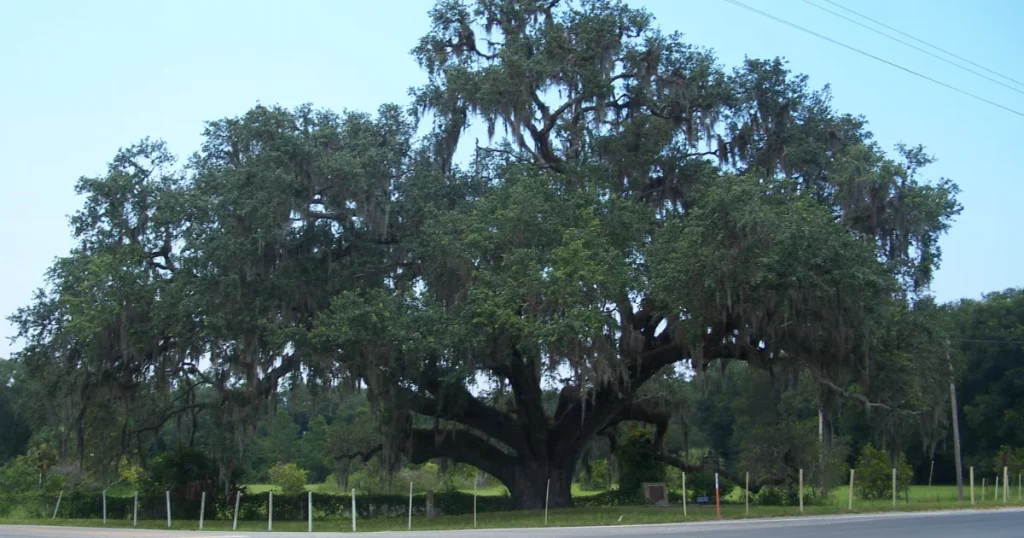
A protected tree species is any tree that a federal, state, or local law shields from removal or heavy pruning without special permission. Protection usually attaches for one of three reasons: the species is federally endangered, it is a native or “heritage” tree singled out by a local ordinance, or the individual tree crosses a size threshold that triggers a permit. Cutting a protected tree without approval can bring fines that run from a few hundred dollars into the tens of thousands, plus replacement (mitigation) requirements.
There is no single national list of “trees you can’t cut.” Protection is layered, and it varies widely by state, county, and city. This guide explains the categories of protected trees, gives real examples, and shows how to check whether the specific tree in your yard is protected before you touch it.
What makes a tree species “protected”?
A tree becomes “protected” when a law or ordinance restricts who can remove it and under what conditions. Protection can come from four overlapping layers, and a single tree can fall under more than one.
| Protection layer | Who sets it | What it typically covers |
|---|---|---|
| Federal | U.S. Fish & Wildlife Service; land agencies | Endangered/threatened species; trees on national forest and federal land |
| State | State legislature or forestry agency | State-listed species, roadway trees, mangroves and coastal species in some states |
| Local | City or county ordinance | Heritage/landmark trees, street trees, native species, size-threshold trees |
| Private | HOA rules or deed restrictions | Trees a homeowners association or subdivision agreement protects |
Because the strictest rule usually wins, a tree that looks unremarkable can still be protected by a local ordinance even if no state or federal law applies. Local rules are where most homeowners get caught. Our overview of protected and heritage tree rules walks through how these designations work in practice.
Federal protection: endangered species and public land
The federal Endangered Species Act is the highest tier of protection. The U.S. Fish & Wildlife Service keeps the official list of endangered and threatened plants, and removing a listed tree on federal land without authorization is a federal offense. Separately, cutting or injuring any tree on U.S. public land can be prosecuted under 18 U.S. Code § 1853. Most yard trees are not federally listed, so for the average homeowner the state and local layers matter far more.
State and local designations
States and, more often, cities and counties create categories such as “heritage,” “landmark,” “significant,” or “specimen” trees. Once a tree earns one of these labels, removing it typically requires a permit, a strong justification (usually that the tree is dead or hazardous), and replacement plantings. Some states also protect specific species outright, such as mangroves in Florida or certain oaks in California municipalities.
The main categories of protected trees
Protected trees generally fall into a handful of recognizable groups. Knowing which group a tree belongs to tells you where to look for the rule that governs it.
| Category | What triggers protection | Typical rule |
|---|---|---|
| Heritage / landmark trees | Age, large size, species, or historical significance | Removal only with a permit and strong justification |
| Native & keystone species | Listed as native or ecologically important locally | Permit and often replacement plantings |
| Endangered / threatened species | Federal or state endangered listing | Removal generally prohibited without authorization |
| Street & public trees | Growing in the right-of-way or on public land | Only the city may remove or prune them |
| Size-threshold trees | Trunk diameter over a set limit | Permit required once the tree exceeds the threshold |
Heritage, landmark, and champion trees
Heritage trees are usually large, healthy natives above a set diameter, valued for their age, size, or history. Champion trees (the largest known example of a species in a state) get similar treatment. Once designated, these trees are among the hardest to remove legally, and illegal removal draws the steepest fines and mitigation ratios.
Native, endangered, and threatened species
Many ordinances protect native species that support local wildlife, and a smaller number of trees are protected because the species itself is endangered. California, for example, has dozens of tree species that are protected from removal in various jurisdictions, and coastal states frequently protect salt-tolerant species that stabilize shorelines.
Examples of commonly protected species
The exact list depends entirely on your city and county, but certain species show up on protected lists again and again. Treat the table below as a starting point for research, not a definitive rule for your address.
| Species (common name) | Where often protected | Why it is protected |
|---|---|---|
| Southern live oak | Florida, Gulf and Southeast cities | Heritage status; large size and longevity |
| Coast live oak & valley oak | Many California municipalities | Native oak protection ordinances |
| Mangroves (red, black, white) | Florida and coastal zones | State coastal and wetland protection |
| Bald cypress | Southeastern cities | Heritage designation; wetland value |
| Coast redwood & giant sequoia | California | Native, protected, and often heritage |
| Eastern red cedar & Southern magnolia | Various Southern cities | Heritage or specimen designation |
Even when a species is not on any list, an individual tree can still be protected once it crosses a size threshold or sits in the public right-of-way. See our tree laws by state comparison for how the rules differ across the country.
How to tell if your tree species is protected
Before removing or heavily pruning any mature tree, confirm its status. Skipping this step is the single most common reason homeowners face fines. Work through these checks in order.
- Measure the trunk (DBH). Diameter at breast height is measured about 4.5 feet up. Many ordinances trigger a permit once a trunk passes a set size, commonly in the range of 6 to 24 inches depending on the city.
- Identify the species. Note whether it is a native oak, a mangrove, a redwood, or another species that local rules single out.
- Check your city and county tree ordinance. Search your city name plus “tree ordinance” or “tree removal permit.” Look for heritage, protected-species, and size-threshold language.
- Check for street-tree or right-of-way status. Trees between the sidewalk and curb are usually the city’s, not yours.
- Check HOA and deed restrictions. A homeowners association can protect trees even where the city does not.
- Call the local arborist or planning office. A two-minute call confirms whether a permit is required.
If a permit is required, applying is usually straightforward. Our guide on whether you need a permit to remove a tree covers the process, and whether you can cut your own tree down explains the limits even on your own land.
Understanding size (DBH) thresholds
Size thresholds are the trigger most homeowners overlook. A young tree may be freely removable, while the same species becomes protected once its trunk grows past the ordinance limit. Because the cutoff varies by city, always measure and check rather than assume.
Penalties for removing a protected tree
Consequences for illegally removing a protected tree can be significant and stack on top of one another. The exact amounts vary widely by jurisdiction.
| Consequence | What it means | Typical range |
|---|---|---|
| Civil fine | Municipal penalty per tree removed | Hundreds to tens of thousands of dollars |
| Mitigation / replacement | Required replanting, sometimes several trees per one removed | Varies by ordinance |
| Restitution or tree value | Payment based on the appraised value of the tree | Depends on species and size |
| Enhanced (treble) damages | Some states multiply damages for wrongful cutting | Double or triple actual damages |
If a neighbor or contractor illegally removed a protected tree, the owner may also have a civil claim. Some states allow treble (triple) damages for wrongful tree cutting, which can dramatically raise the amount recovered.
What to do if a protected tree is dangerous or dead
Protection does not mean you must keep a hazardous tree. Most ordinances include an exemption or an expedited permit for trees that are dead, dying, or an imminent hazard. The key is to document the hazard first, ideally with a professional tree risk assessment, and get written approval before removal. Removing even a dead protected tree without following the exemption process can still trigger penalties, so document and ask first.
Frequently asked questions
Which trees are illegal to cut down?
There is no universal list. The trees you generally cannot remove without a permit are federally endangered species, locally designated heritage or landmark trees, protected native species (such as certain oaks or mangroves), public and street trees, and any tree over your city’s size threshold. Always check your local ordinance for the specific rules at your address.
How do I know if a tree on my property is protected?
Measure the trunk diameter, identify the species, and then check your city or county tree ordinance for heritage, protected-species, and size-threshold rules. When in doubt, call your local planning department or city arborist before removing the tree.
What happens if I cut down a protected tree by mistake?
You may face a civil fine, a replacement or mitigation requirement, and in some cases restitution based on the tree’s appraised value. Penalties vary by jurisdiction and can be reduced if the removal was genuinely accidental, but the tree’s protected status generally still applies.
Can I remove a protected tree on my own land?
Not automatically. Owning the land does not override a tree ordinance. If the tree is a protected species, a heritage tree, or over the size threshold, you typically need a permit even on your own property. Dead or hazardous trees usually qualify for an exemption once documented.
Disclaimer
This article is general information, not legal advice. Tree protection rules vary significantly by state, county, and city and change over time. Confirm the requirements with your local planning or arborist office, and consult a qualified attorney for advice about your specific situation.
