

Can I Cut My Own Tree Down? Permits, Rules and Fines
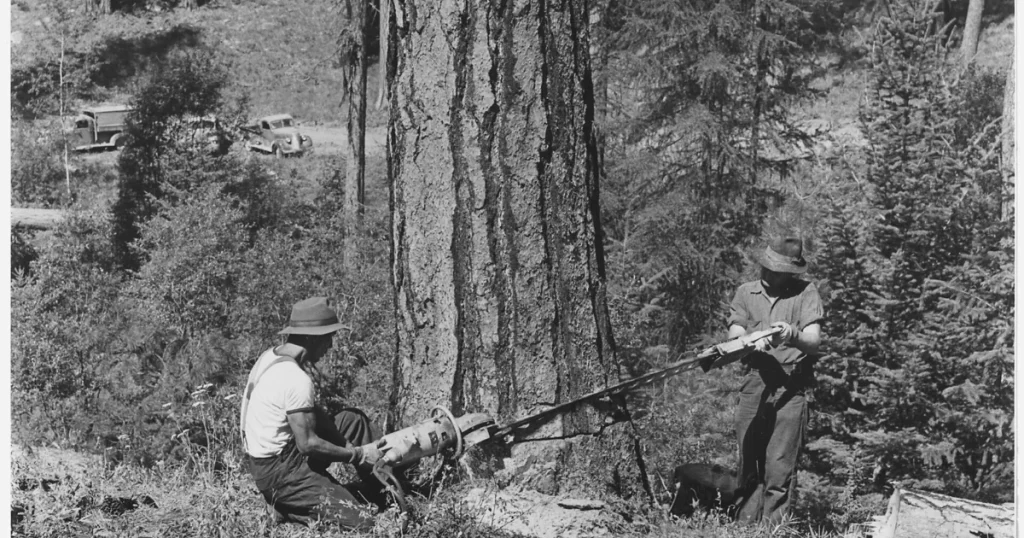
In most cases, yes, you can cut down a tree on your own property, but only if the tree is not protected and you have any permit your city requires. Many U.S. towns and counties regulate tree removal through local “tree protection” ordinances, and cutting a regulated tree without approval can trigger fines that run from a few hundred to several thousand dollars per tree.
The rules vary widely by location, so the safe move is always to check your local ordinance before the saw comes out. This guide explains when you are free to cut, when you need a permit, which trees you may not be able to touch at all, and what happens if you get it wrong.
This article is general legal information, not legal advice. Tree laws vary by state, county, and city; confirm the rules with your local planning or urban forestry department before removing any tree.
The short answer: usually yes, with exceptions
As a general rule, a healthy tree growing entirely on your land is your property, and you may remove it. That baseline right is limited by four common exceptions: the tree is a protected or regulated species, it sits in a special overlay district, it is a boundary or street tree you do not solely own, or removal is restricted by an easement or HOA covenant. If none of those apply, you can generally cut the tree down without asking anyone.
| Situation | Can you cut it yourself? |
|---|---|
| Ordinary tree, wholly on your land, no local permit rule | Yes |
| Tree over a regulated trunk size in a city with a tree ordinance | Usually only with a permit |
| Protected, heritage, or landmark species | Rarely, and only with approval |
| Boundary tree straddling the property line | No, not without the co-owner’s consent |
| Street tree in the public right-of-way | No, the city controls it |
| Dead or hazardous tree posing imminent danger | Often yes, sometimes with after-the-fact notice |
When you need a permit to cut down your own tree
A permit requirement does not mean you can never remove the tree; it means the city wants to review the request first. Thousands of municipalities have tree ordinances, and the triggers below are the most common. The rules differ on public versus private land, and local ordinances add another layer on private property.
Protected, heritage, and landmark trees
Many cities designate certain species or specimens as protected. These can include large native oaks, historic “heritage” trees, or a species targeted for disease control, for example, some cities require a permit to cut any elm to slow the spread of Dutch elm disease. Removing a protected tree almost always requires an application, an arborist justification, and sometimes a replacement or mitigation fee. If your area uses a formal tree preservation order, that document controls what you can and cannot do.
Size and species thresholds
Ordinances frequently apply only to trees above a certain trunk diameter, commonly measured as diameter at breast height (DBH). A typical rule might exempt trees under 6 inches DBH but require a permit for anything larger. Knowing whether your tree crosses the threshold is often the deciding factor in whether you need a permit to remove a tree.
Historic, coastal, and conservation overlays
If your property sits inside a historic district, coastal zone, floodplain, or conservation overlay, tree removal may need separate review even for otherwise unregulated trees. These overlays exist to protect canopy, shorelines, and habitat, and they can apply on top of the base zoning rules.
| Common permit trigger | What it usually means |
|---|---|
| Trunk diameter over a set size (e.g., 6 to 12 in. DBH) | Permit required for larger trees only |
| Protected or heritage species list | Permit plus arborist report; replanting may be required |
| Historic or conservation district | Design or environmental review before removal |
| Number of trees removed per year | Cap on removals before a permit kicks in |
Trees you may not be able to cut, even on your land
Some trees are off-limits regardless of a permit, because you are not the only party with an interest in them.
Boundary trees on the property line
If a trunk straddles the line between two properties, it is typically a jointly owned “boundary tree,” and neither neighbor may remove it without the other’s consent. Cutting it down alone can expose you to a damages claim. See boundary tree law and who owns a tree on the property line for how ownership is decided.
Street and right-of-way trees
The strip between the sidewalk and the curb is usually public right-of-way. Trees planted there are commonly the city’s responsibility, and pruning or removing one without a permit is illegal in many places. Even if the tree is directly in front of your home, it may not be yours to cut.
Easements: utility, view, and conservation
Recorded easements can restrict removal. A utility easement may give a power company, not you, control over vegetation near lines, which is one reason trees near power lines are handled differently. A view or scenic easement can prohibit removing or even topping a tree to protect a neighbor’s sightline, and a conservation easement can bar clearing altogether.
HOA covenants
If you live in a homeowners association, the governing documents (CC&Rs) may require board approval before any tree removal, and unapproved cutting can bring fines. HOA authority is not unlimited, and in many states an association must follow its recorded rules and due-process steps before it can fine or lien, but assume you need written approval unless the CC&Rs clearly say otherwise.
When you can cut without a permit
Several situations usually let you proceed without city approval, though documentation still protects you.
- Dead, dying, or hazardous trees: Most ordinances have an exemption for trees that are dead or pose an imminent hazard. Photograph the tree first and, where required, notify the city.
- Emergency removal: A tree that has fallen or is about to fall on a home or person can typically be removed immediately, with any required notice filed afterward.
- Invasive species: Many jurisdictions exempt recognized invasive trees, but confirm the identification with a local expert before cutting.
- Small trees below the size threshold: If your ordinance regulates only larger trees, a small sapling is usually fair game.
Penalties for cutting a tree illegally
Fines for removing a regulated or protected tree without a permit can be severe, and some cities add restitution based on the tree’s appraised value. A single unpermitted removal has cost owners thousands of dollars in some jurisdictions, and cutting a city street tree can carry even steeper penalties.
| Violation | Typical consequence (varies by area) |
|---|---|
| Removing a regulated private tree without a permit | Fine, often several hundred to several thousand dollars per tree |
| Cutting a protected or heritage tree | Larger fine plus mandatory replacement or appraised-value restitution |
| Removing a public street tree without approval | Fine plus restitution; can reach five figures per tree in some cities |
| Cutting a boundary or neighbor’s tree | Civil liability, sometimes double or triple damages |
How to check the rules before you cut
A few minutes of homework prevents an expensive mistake. Work through these steps:
- Search your city or county tree ordinance. Look up “[your city] tree removal permit” and read the thresholds and protected-species list.
- Confirm the tree is on your land. Check your survey or plat to be sure the trunk is not on the line or in the right-of-way.
- Review your deed and HOA documents for easements or covenants that limit removal.
- Call your local planning or urban forestry office if anything is unclear; they will tell you whether a permit is needed.
- Get a certified arborist’s opinion for large, protected, or hazardous trees; the International Society of Arboriculture maintains a directory of credentialed professionals.
Doing it yourself: safety and liability
Even where cutting is legal, removing a mature tree is one of the most dangerous DIY jobs a homeowner can attempt. Falling limbs, kickback from a chainsaw, and misjudged fall lines cause serious injuries every year. If the tree is tall, leaning, near a structure, or close to power lines, hire a licensed and insured tree service. If you do proceed yourself, clear a wide drop zone, never cut near energized lines, and be aware that if your tree damages a neighbor’s property through negligence, you can be held responsible. If a neighbor has cut or wants to cut your tree, review your rights when a neighbor cuts your tree.
Frequently asked questions
Is it illegal to cut down a tree on my own property?
Not usually. Cutting a tree on your own land is legal by default, unless the tree is protected, exceeds a regulated size, sits in a special district, or is covered by an easement or HOA rule. Check your local ordinance first, because the exceptions are common.
Do I need a permit to cut down a tree in my backyard?
It depends on your city. Many communities require a permit only for trees above a set trunk diameter or for protected species, while others require none for private backyard trees. Look up your municipality’s tree ordinance to be sure.
What happens if I cut a tree without a required permit?
You can be fined, and some cities also require you to replant or pay restitution equal to the removed tree’s appraised value. Penalties are typically higher for protected trees and for trees in the public right-of-way.
Can I cut a tree that is on the property line?
No, not on your own. A tree whose trunk straddles the boundary is generally jointly owned, and removing it without your neighbor’s consent can make you liable for damages.
Can my HOA stop me from removing my own tree?
Often yes. If your community’s CC&Rs require approval for tree removal, cutting without it can result in fines. The HOA must still follow its own recorded rules and procedures, so review the documents before you act.
Disclaimer: This content is for general informational purposes and does not constitute legal advice. Tree ordinances and property laws differ by jurisdiction. Consult your local government or a qualified attorney or arborist for guidance on your specific situation.
