

Tree Risk Assessment: How It Works & When You Need One
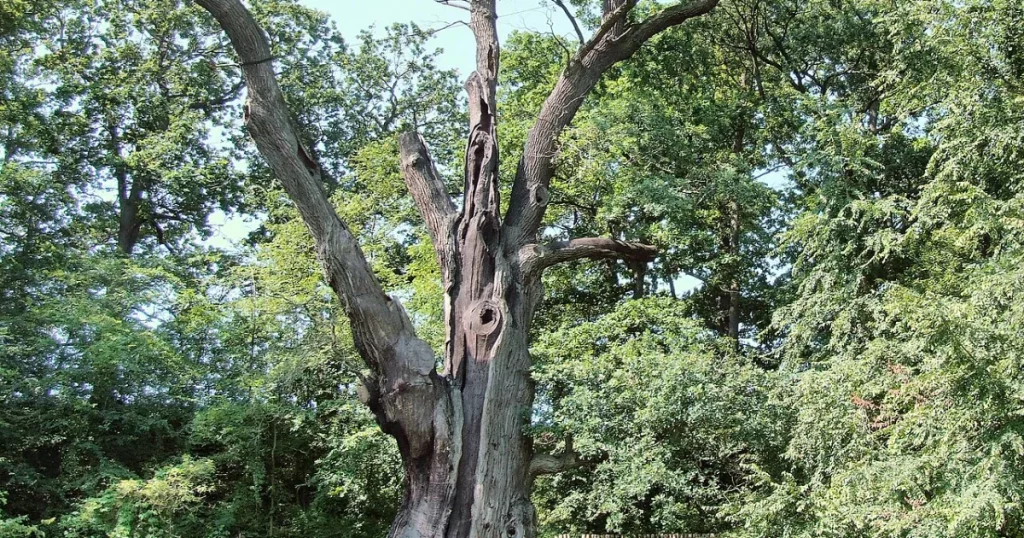
A tree risk assessment is a systematic evaluation by a qualified arborist that judges how likely a tree (or part of it) is to fail, how likely that failure is to hit a person or property, and how severe the consequences would be. Those three judgments combine into a single risk rating—Low, Moderate, High, or Extreme—that tells you whether to leave the tree alone, prune or support it, monitor it, or remove it. It is the professional, defensible way to answer one question: “Is this tree dangerous?”
This guide explains how a tree risk assessment works, the industry-standard ISA process, what an assessor inspects, when you should order one, what it costs, and how the results can protect you legally if a tree later causes harm. Specifics vary by state and situation, so treat this as general information rather than legal advice.
What is a tree risk assessment?
A tree risk assessment is a structured inspection that estimates the likelihood and consequences of tree failure so an owner can make an informed decision. Rather than a yes/no guess, it produces a documented risk rating for each “condition of concern” (for example, a cracked limb over a driveway). The International Society of Arboriculture (ISA) defines the standard methodology in its Best Management Practices for Tree Risk Assessment and trains arborists through the Tree Risk Assessment Qualification (TRAQ).
The core idea is a chain of probabilities: how likely is the part to fail, how likely is it to strike a target if it does, and how bad would the impact be? A dead branch over an empty field is low risk; the same branch over a child’s swing set is not.
The three levels of assessment
ISA defines three levels, scaled to the situation and budget. Most homeowner and neighbor-dispute situations call for a Level 2 assessment.
| Level | Name | What it involves | Typical use |
|---|---|---|---|
| Level 1 | Limited visual | Quick walk-by or drive-by of many trees | Large properties, parks, screening |
| Level 2 | Basic assessment | 360° ground inspection of an individual tree | Most homeowner and dispute cases |
| Level 3 | Advanced assessment | Specialized tools (resistograph, sonic tomography, aerial/climbing inspection) | High-value or suspected internal decay |
What the arborist evaluates
A qualified assessor inspects the whole tree and its setting, looking for structural defects and the targets that could be hit. Common conditions of concern include:
| Tree part | Defects assessors look for |
|---|---|
| Roots & root collar | Decay, severing, girdling roots, soil heaving, recent excavation |
| Trunk | Cracks, cavities, included bark, fungal conks, lean, wounds |
| Branches & crown | Deadwood, broken/hanging limbs, weak unions, cracks, codominant stems |
| Site factors | Soil conditions, exposure, history of failures, recent construction |
The assessor also identifies targets—people, vehicles, homes, fences, or power lines that could be struck—and how often they are present (occupancy).
How the risk rating is calculated
Findings run through a dual-matrix system. First, the likelihood of failure is combined with the likelihood of impacting a target to produce an overall likelihood. That is then combined with the consequences of failure to produce the final rating.
| Risk rating | What it generally means |
|---|---|
| Low | Acceptable; routine monitoring is usually enough |
| Moderate | Consider mitigation within a reasonable timeframe |
| High | Mitigation recommended; act promptly |
| Extreme | Urgent; restrict access and address immediately |
Importantly, “risk” is not the same as “danger.” A leaning tree over a forest is far less risky than a smaller defect over a busy patio. The rating always pairs the tree’s condition with the target.
When you should get a tree risk assessment
Order an assessment when the stakes or uncertainty are high:
- After a storm that may have loosened roots or cracked limbs.
- Before construction near a tree, which can damage roots and destabilize it.
- In a neighbor dispute, to document whether a tree is genuinely hazardous—see what to do about a neighbor’s dangerous tree.
- For insurance or legal claims, where a professional report carries weight.
- Real estate transactions involving large or mature trees.
- Visible warning signs: dead limbs, a sudden lean, mushrooms at the base, or cracks.
Why an assessment matters legally
Tree owners generally owe a duty of reasonable care. In many states, an owner who knew or should have known a tree was hazardous can be held liable if it fails and injures someone or damages property. A documented risk assessment helps in two ways: it tells you what to fix, and it creates a written record that you acted reasonably. Conversely, ignoring an obvious defect can support a negligence claim.
If a tree does fail, responsibility and insurance can get complicated—our guides on who is responsible for fallen tree removal and whether homeowners insurance covers a tree falling on a house explain common outcomes. For valuing a damaged tree, see how to value a tree for a damage claim.
One common hazard worth assessing early is trees growing into power lines, where safety and responsibility both come into play.
Disclaimer: This article is general information, not legal advice. Liability standards, notice requirements, and permit rules vary by state and locality. Consult a qualified attorney and a licensed arborist for your specific situation.
What to do with the findings
An assessment is only useful if it leads to action. Typical mitigation options, from least to most drastic:
| Option | When it fits |
|---|---|
| Monitor / re-inspect | Low risk or slow-developing defects |
| Prune deadwood or weak limbs | Localized branch defects |
| Cabling & bracing | Weak unions or codominant stems worth preserving |
| Reduce the target | Move parking, furniture, or play areas out of the strike zone |
| Removal | High/Extreme risk that can’t be reduced safely |
If removal is the answer, check local rules first—some trees are protected and require approval. See whether you need a permit to remove a tree.
How much does a tree risk assessment cost?
A basic (Level 2) assessment and written arborist report typically runs from about $150 to $500, depending on the tree, location, and report detail. Advanced (Level 3) testing with specialized equipment costs more. Many tree services credit the assessment fee toward work if you hire them, but an independent assessment avoids any conflict of interest. Figures vary by region.
How to find a qualified assessor
Look for an ISA Certified Arborist who also holds the Tree Risk Assessment Qualification (TRAQ). You can verify credentials and find local professionals through the ISA’s consumer site, Trees Are Good. Ask for proof of insurance, sample reports, and references before hiring.
Frequently asked questions
What is the difference between a tree risk assessment and a tree inspection?
A general inspection notes a tree’s health and condition. A risk assessment goes further, formally rating the likelihood and consequences of failure against specific targets to produce a defensible risk rating.
Who can perform a tree risk assessment?
A qualified arborist—ideally an ISA Certified Arborist with the TRAQ qualification—using the ISA’s standardized methodology.
How often should trees be assessed?
Mature trees near targets are commonly assessed every one to three years, and after major storms or nearby construction. Higher-risk trees may need more frequent checks.
Does a risk assessment guarantee a tree won’t fail?
No. Trees are living organisms and no assessment can eliminate risk entirely. The goal is to identify and reduce foreseeable risk to an acceptable level.
Will an assessment help if my neighbor’s tree is dangerous?
Yes. A written professional report documents the hazard, which supports your request that the owner address it and can be useful evidence if the matter escalates.
Written by Jack Turner, arborist and mediation writer for TreeLaws.org. We translate arboriculture and tree law into clear, practical guidance for homeowners and neighbors.
\n
Roots are a hazard too—see who is responsible when tree roots lift a sidewalk.
If the hazardous tree sits on neglected land, see a dangerous tree on abandoned property for the enforcement routes available.
