

Tree Laws by State: How the Rules Differ (2026 Overview)
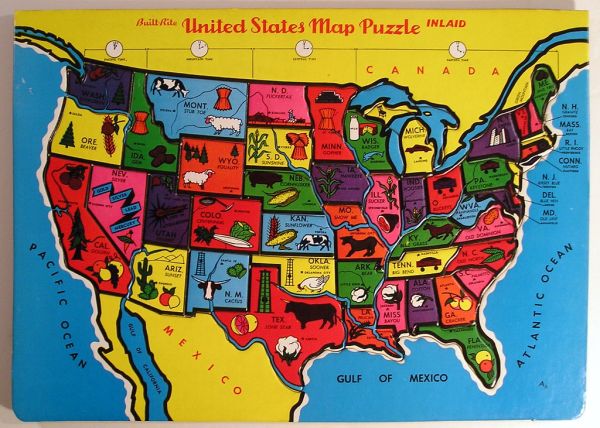
Tree laws aren’t uniform across the U.S. — the same backyard dispute can have a different answer in different states. This overview compares the legal frameworks that govern tree disputes and shows where states diverge, then links to the specifics for all 50 states.
In short: most states follow the “self-help” (Massachusetts) rule for overhanging branches, treat fallen healthy trees as an “act of God,” and have timber-trespass statutes that award double or triple damages for unlawfully cutting someone’s tree — but the details vary, so always check your state. See your state’s page in our state tree law directory.
Overhanging branches & roots: the four approaches
How much you can do about a neighbor’s encroaching tree depends on which doctrine your state follows:
| Doctrine | What it means | Adoption |
|---|---|---|
| Massachusetts Rule (self-help) | You may trim branches/roots back to the property line at your own cost; no lawsuit for mere encroachment. | Majority of states |
| Hawaii Rule | If the tree causes actual, sensible harm, the owner can be required to pay for damage or removal — beyond self-help. | Several states |
| Virginia Rule | Relief historically required a “noxious” tree; modern courts allow action where there’s actual harm or imminent danger. | Limited / evolving |
| Restatement / nuisance | Serious, harmful encroachment can be treated as a private nuisance. | Varies by state |
Detail for your state: who’s responsible for overhanging branches and limits on trimming a neighbor’s tree.
Liability when a tree falls
Most states apply the same core test regardless of label:
| Situation | General rule (most states) |
|---|---|
| Healthy tree falls in a storm | “Act of God” — each owner’s own insurance covers their damage |
| Dead/hazardous tree the owner ignored | Negligence — the owner can be liable |
| Urban vs. rural duty to inspect | Some states impose a higher inspection duty in developed areas |
More: who’s liable when a tree falls on a house.
Damages for unlawful cutting (timber trespass)
Most states have a timber-trespass statute that multiplies the value of an unlawfully cut tree to deter destruction:
| Multiplier | How common |
|---|---|
| Treble (3×) damages | Common — many states |
| Double (2×) damages | Several states |
| Actual damages only | Some states / certain circumstances |
Some statutes require willful or reckless conduct for the multiplier. See how much you can sue for cutting a tree and neighbor cut my tree without permission.
Removal permits & protected trees
Permit rules are local, not just state-level. Many cities require a permit to remove large, heritage, or street-adjacent trees, and some states protect specific species. Always check locally — see do you need a permit to remove a tree and protected & heritage tree rules.
Find your state’s tree laws
The frameworks above are the national picture; your state (and city) controls the specifics. Use our 50-state tree law directory to read the rules where you live.
Frequently asked questions
Do tree laws differ by state?
Yes. While most states share core principles (self-help for branches, negligence for hazardous trees, treble damages for unlawful cutting), the specifics and statutes vary — check your state.
What is the majority rule for overhanging branches?
The Massachusetts “self-help” rule: you may trim encroaching branches and roots back to the property line at your own expense, without suing, as long as you don’t harm the tree.
Which states have treble damages for cutting a tree?
Many states have timber-trespass statutes awarding double or triple damages; specifics vary, so check your state’s law.
Disclaimer: General legal information, not legal advice. Tree laws vary by state and locality and change over time. Consult a licensed attorney in your state.
